As an Amazon Associate, we earn from qualifying purchases. Some links on this site are affiliate links at no extra cost to you. Our recommendations are based on thorough research and editorial judgment.


How Do Arm Compression Sleeves Help Runners?

Arm compression sleeves can greatly benefit runners like you by boosting blood circulation and oxygen delivery to your muscles. They reduce muscle vibrations, which helps prevent fatigue and injuries, so your runs feel easier. The sleeves also regulate temperature by wicking moisture and maintaining warmth, ensuring comfortable performance in various weather. Plus, they enhance body awareness and biomechanics, promoting better posture. Curious about how these effects can shape your running experience? Let’s explore more together.
Key Takeaways
- Arm compression sleeves enhance blood flow and oxygen delivery to muscles, improving performance and reducing fatigue during long runs.
- They stabilize muscles and reduce vibrations, minimizing energy loss and lowering the risk of micro-tears and injury.
- Compression sleeves aid in thermoregulation, keeping muscles warm in cold weather and providing cooling in warm conditions through moisture-wicking fabrics.
- Increased proprioception from the sleeves improves joint awareness, promoting better alignment and posture, which can help prevent injuries.
- Individual results may vary, with some runners experiencing comfort improvements rather than significant performance enhancements while also benefiting from UPF protection.
Increased Blood Circulation and Oxygen Delivery
When you’re running, having proper blood circulation can make a big difference in your performance. Wearing compression arm sleeves boosts vascular efficiency by applying graduated pressure, which improves blood flow from your arms back to your heart. This adaptive response not only prevents blood pooling but also helps reduce swelling and discomfort. More importantly, these sleeves increase arterial blood flow, greatly enhancing oxygen delivery to your muscles. Studies show that better oxygenation helps maintain performance during long runs, allowing for a smoother run without the dreaded fatigue creeping in. Plus, you’ll recover faster post-run, so you can hit the pavement again sooner. For around $30 to $50, investing in a good pair can benefit your running game immensely without breaking the bank! Additionally, compression sleeves are essential for managing fatigue, swelling, and muscle support.
Muscle Vibration Reduction and Injury Prevention
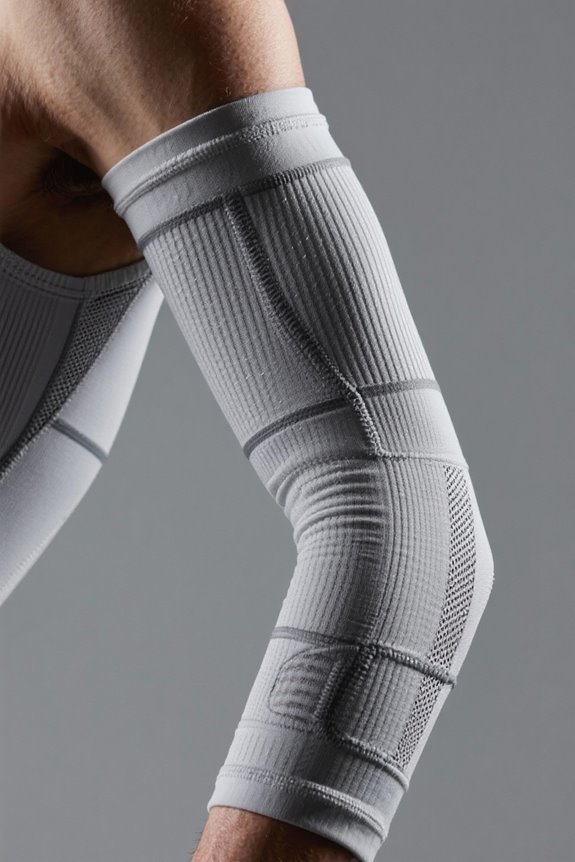
Although you might not realize it, the vibrations that occur in your muscles while running can lead to fatigue and even injuries if not properly managed. Compression sleeves help with this by applying external pressure, which reduces muscle oscillation. Lower muscle vibrations mean less energy loss, allowing your muscles to contract more efficiently. This stabilization not only decreases fatigue but also minimizes the risk of micro-tears and chronic soft tissue damage, serving as a powerful tool for injury prevention. By keeping your muscles engaged uniformly, these sleeves limit excessive strain, helping you maintain peak performance longer. Additionally, compression sleeves can also enhance blood circulation, which is crucial for recovery and overall performance. So, if you’re looking to run better and feel good while doing it, consider investing in a solid pair of compression sleeves – they’re an inexpensive way to safeguard your running game.
Thermoregulation and Tissue Temperature Maintenance
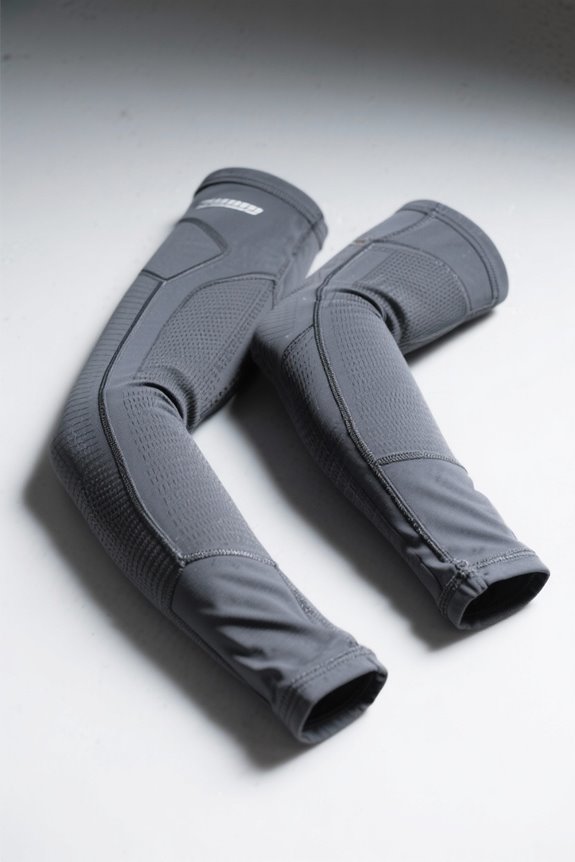
To make the most of your runs, it’s crucial to understand how thermoregulation and tissue temperature maintenance play fundamental roles in performance and comfort. Arm compression sleeves use moisture-wicking fabrics that pull sweat away, enhancing evaporative cooling during warmer runs. Advanced knitting techniques create airflow channels for effective heat dissipation, preventing overheating. When the weather turns chilly, these sleeves trap body heat, maintaining muscle warmth without the bulk of extra clothing. It’s like bringing a cozy blanket without looking like an extra in a winter movie! Synthetic fibers, such as nylon and spandex, provide better moisture management and breathability. Additionally, compression levels typically range from medium (20-30 mmHg) for balance, which aids in enhancing blood flow during runs. So, whether you’re sweating it out or braving the cold, consider sleeves that adapt to your temperature needs for maximum running efficiency.
Enhanced Proprioception and Biomechanics
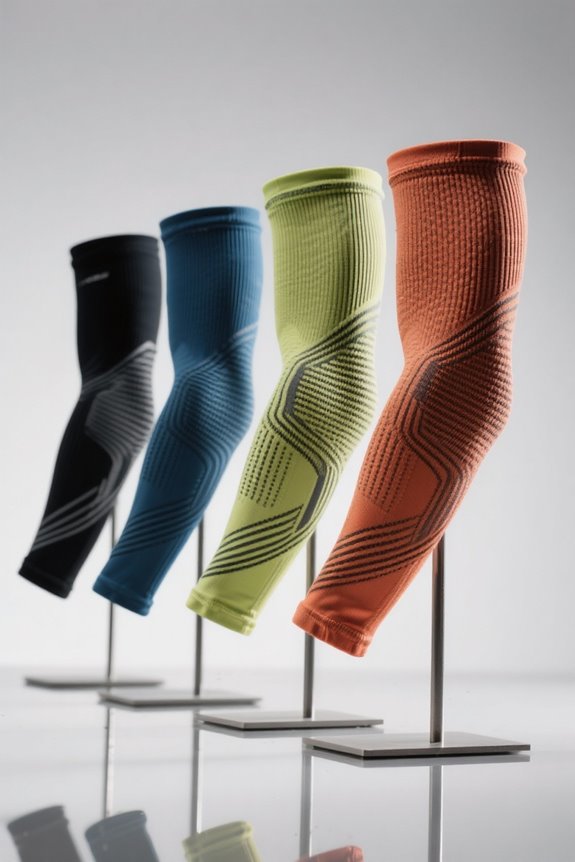
While thermoregulation helps maintain a comfortable body temperature during runs, enhanced proprioception and biomechanics can considerably influence your overall performance. Wearing arm compression sleeves increases proprioceptive feedback by applying consistent pressure, which helps your muscles and joints better sense their position during movement. By improving joint awareness, particularly in the elbows and shoulders, you may experience greater stability and less oscillation, making those long runs feel more efficient. Compression sleeves also support biomechanical efficiency by reducing excessive muscle vibrations, which can lead to fatigue. As you run, maintaining ideal alignment and posture becomes essential for preventing injuries. Additionally, the right compression level can maximize running performance and recovery, supporting muscles and reducing fatigue. So, consider investing in a good-quality pair of compression sleeves—typically priced between $20 and $50—to enhance your running experience!
Performance Impact and Limitations
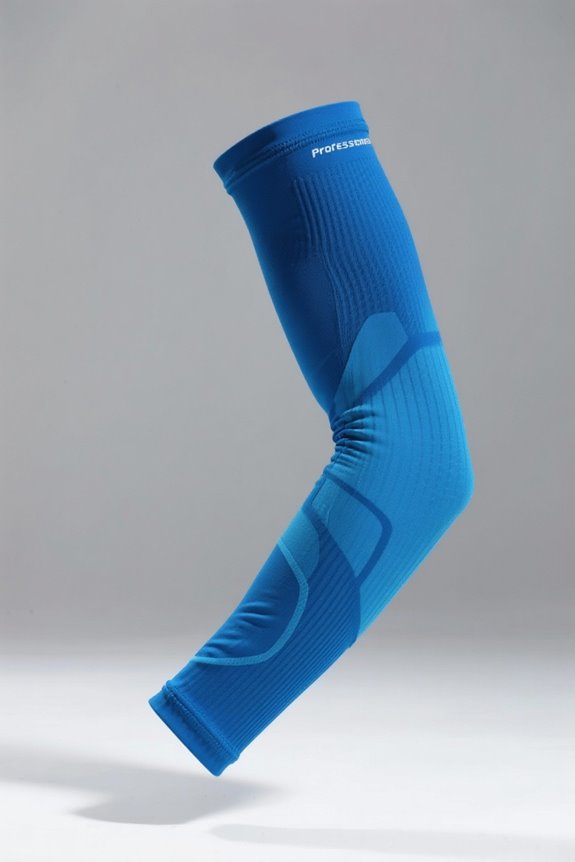
When you’re out on a run, the impact of compression sleeves on your performance might not always be what you expect. Sure, they can improve blood circulation and decrease muscle vibrations, but the benefits can vary widely among runners. Some of us report feeling more energized and less fatigued, yet studies show performance variability, with no definitive evidence that they enhance race times. You might find they provide better comfort rather than significant performance boosts. Plus, there are anecdotal limitations; not every sleeve fits perfectly or applies the right amount of pressure. So, while they can support your running journey, consider them a piece of the puzzle—not the whole picture—especially if you’re training for a major event. Additionally, many compression sleeves offer UPF protection that can be beneficial during outdoor runs, shielding your skin from harmful UV rays.
Recovery Facilitation and Post-Run Benefits
Recovery is just as essential as the run itself, and using compression sleeves can greatly enhance your post-run experience. Incorporating these sleeves into your recovery strategies can boost blood circulation, which enhances oxygen delivery to your muscles. This improved circulation helps clear out metabolic waste, like lactic acid, reducing soreness and fatigue. Studies show they can decrease delayed-onset muscle soreness by stabilizing muscles and supporting faster recovery. While you’re focusing on post-exercise nutrition, remember to hydrate and replenish your body with proteins and carbs. Expect to find sleeves for around $20 to $50, making them a practical investment. By wearing compression sleeves, you’re not just running; you’re also investing in a smoother recovery journey, minus the “ouch” factor. Additionally, compression sleeves can aid in circulation improvement by ensuring a snug fit that enhances their effectiveness.
Personal Experiences and Anecdotal Evidence
Many runners, including myself, have found that wearing arm compression sleeves during and after runs can make a noticeable difference in how we feel. Through personal anecdotes and user testimonials, I’ve learned that these sleeves help reduce arm muscle vibrations, leading to less fatigue and discomfort. When it’s cooler, they keep my muscles warm, while in warmer weather, they wick away sweat, allowing for greater comfort. Others have mentioned feeling more supported psychologically, which can boost confidence during races. The snug fit matters—sleeves should neither slip nor restrict movement. Based on experiences shared online, investing around $20 to $50 for a pair is worth it, especially for those serious about their running game. Furthermore, proper sizing is crucial to ensure a snug fit; consult size charts to avoid discomfort and circulation issues.
Frequently Asked Questions
How Should I Wash and Care for Arm Compression Sleeves?
I always clean my arm compression sleeves after each use. I prefer hand washing with mild detergent and air drying them flat. Just remember, avoiding harsh chemicals really preserves their fit and longevity!
Can I Wear Compression Sleeves During Non-Running Activities?
Wearing compression sleeves during non-running activities is like having a supportive friend—boosting athletic performance and recovery benefits. They reduce muscle fatigue, enhance circulation, and even aid in quicker recovery across various sports and workouts.
Are There Specific Sizes or Fits for Different Arm Types?
Yes, there are specific sizes and fits for different arm types. I always refer to the sizing guide for accurate measurements, as fit variations guarantee both comfort and effectiveness in achieving proper compression and support.
How Long Can I Wear Compression Sleeves at a Time?
I usually wear compression sleeves for ideal usage during my runs, and then for 1-3 hours afterward. I keep an eye on discomfort to avoid issues, limiting my overall compression duration to guarantee safe use.
Do Compression Sleeves Have Any Negative Side Effects?
Yes, compression sleeves can cause potential discomfort and skin irritation, especially if they’re overly tight or made from unsuitable materials. I always check the fit and fabric to avoid these issues during my runs.


