As an Amazon Associate, we earn from qualifying purchases. Some links on this site are affiliate links at no extra cost to you. Our recommendations are based on thorough research and editorial judgment.

What Is the Difference Between Tempo Runs and Interval Training?

Tempo runs and interval training serve different yet complementary purposes in running. Tempo runs focus on maintaining a steady, challenging pace for 20 to 40 minutes, improving endurance and lactate threshold. In contrast, interval training alternates between high-intensity bursts and recovery, typically lasting 20 to 30 minutes, enhancing speed and anaerobic capacity. To maximize your training regimen, try mixing both methods. Now, if you’re curious about how to effectively incorporate these techniques, there’s more to uncover!
Key Takeaways
- Tempo runs involve sustained efforts at 80-90% maximum effort, enhancing aerobic endurance and lactate threshold.
- Interval training alternates high-intensity bursts (90-100% effort) with recovery periods, focusing on speed and anaerobic capacity.
- Tempo runs generally last 20-40 minutes, while interval sessions typically range from 20-30 minutes.
- Tempo runs promote continuous pacing, whereas interval training includes structured breaks for recovery.
- Incorporating both methods into a training routine can improve overall performance and prevent monotony.
Understanding Tempo Runs
When it comes to improving your running performance, tempo runs are a fantastic tool to have in your training arsenal. They’re performed at a pace about 25-30 seconds slower than your 5K race pace, feeling “comfortably hard” on a 6-8 effort scale. Tempo run benefits include enhanced lactate threshold, which helps your body process lactic acid efficiently, delaying fatigue. To get the most out of your runs, integrate tempo run strategies like maintaining a steady effort for 20 to 60 minutes, ensuring you include warm-up and cool-down periods. Using a heart rate monitor can keep you in the 85-90% max heart rate zone, ensuring you’re pushing just enough without crossing into all-out sprint territory. Just remember, it’s a challenge—not a sprint! Incorporating cushioned footwear can significantly enhance your comfort during these demanding runs.
Understanding Interval Training

While many might think of interval training as merely a high-intensity workout, there’s much more to it than meets the eye. Interval training types include a range of intensities, from slower efforts to those near maximum capacity. For example, High-Intensity Interval Training (HIIT) can push you to exert 90% of your maximum oxygen uptake over short bursts. These alternating periods of work and recovery are not just about intensity; they’re designed to build endurance and speed effectively. If you’re short on time, you’ll love that a 20-minute interval session can burn more calories than a longer, moderate workout. Additionally, incorporating insights from cushioning technology can enhance your running experience during these sessions. So, don’t be surprised if your heart feels like it’s on a roller coaster; that’s the sign of a successful interval workout!
Key Differences in Pace

Understanding how tempo runs and interval training differ in pace is key to selecting the right workout for your goals. Tempo runs focus on pace consistency, maintaining a “comfortably hard” effort over 20-40 minutes. This effort level is around 80-90% of your maximum, allowing for some conversation—though you might sound like you’re losing a game of charades! In contrast, interval training mixes high-intensity work, where you’re pushing 90-100% effort, followed by slower recovery periods. The workout duration is shorter, emphasizing sprint-like speed rather than sustained effort. So, if you want training diversity, tempo runs build endurance while intervals increase speed, each with their unique pacing strategies. Consider adding both types to your routine for a balanced approach! Additionally, incorporating shoes with proper sizing can enhance your training experience by ensuring comfort during these workouts.
Training Goals for Each Method

Training goals often stem from the unique strengths each method offers. If you’re focused on training priorities like aerobic endurance, tempo runs are your best bet. They keep you near your lactate threshold, allowing you to run steadily for 20 to 40 minutes, boosting your ability to sustain longer efforts at faster paces. However, if you’re looking to enhance speed and anaerobic capacity, interval training shines. With repeated high-intensity bursts lasting from 30 seconds to a few minutes, it tests your cardiovascular limits and improves VO2 max. Both methods enhance your performance metrics, so consider incorporating tempo runs to build endurance while using intervals for quick recovery skills. Ultimately, a balanced approach prepares you better for race day, ensuring you’re ready for anything. Additionally, proper fit in your running shoes can significantly impact your comfort and efficiency during these workouts.
Physiological Benefits of Tempo Runs

Tempo runs offer various physiological benefits that can greatly enhance your running performance and overall fitness. By maintaining a pace just below your lactate threshold, you improve lactate clearance, which helps delay muscle fatigue. Over time, I’ve seen how consistent tempo training can raise the speed at which lactate accumulates in your bloodstream, allowing you to sustain faster paces. This type of training also boosts cardiovascular adaptations, increasing your VO2 max and improving heart efficiency. In fact, with 20 weeks of structured tempo workouts, you might see a power output increase of 38% to 42% at lactate threshold. Additionally, incorporating running shoe technology can provide the support and comfort needed to maximize your tempo runs. So why not add tempo runs into your training? Your body will thank you, especially when those race day nerves kick in!
Physiological Benefits of Interval Training
While you may think of interval training as a simple way to alternate between high-intensity bursts and rest periods, its physiological benefits are anything but basic. This training method results in impressive cardiovascular adaptations, such as increased cardiac output and improved efficiency. Your heart becomes stronger, with enhanced left ventricular hypertrophy boosting pump function. Additionally, interval training greatly raises your VO2max, which means better oxygen delivery during activities. On the metabolic side, you’ll notice improvements in insulin sensitivity and a higher resting metabolic rate, helping regulate glucose and utilize fat more effectively. These metabolic responses, combined with the cardio gains, not only enhance your performance but also lower your risk of cardiovascular disease and metabolic syndrome. Moreover, incorporating compression socks can further support recovery and circulation, making your training more effective. Now that’s a solid deal!
Energy Systems Utilized
Understanding the different energy systems utilized during workouts can really help you optimize your training. Tempo runs primarily tap into the aerobic energy system, allowing me to maintain higher intensity efforts for 20 to 30 minutes, operating around 80-90% of my max heart rate. This builds my endurance and lactate threshold, which means I can run longer without fatigue. On the flip side, interval training mainly engages the anaerobic energy system. Here, I do short, explosive bursts of 90-95% intensity, but these efforts can’t last long due to lactate buildup. The beauty of both methods lies in their training adaptations—while tempo runs boost aerobic efficiency, interval training enhances speed endurance. Mixing them can bring out the best in my performance! Additionally, incorporating proper fit in your running shoes can significantly enhance comfort and performance during these workouts.
Typical Workout Structures
When planning your weekly workouts, it’s essential to incorporate both tempo runs and interval training for balanced development. A typical tempo run includes a 10-20 minute warm-up, then 20-40 minutes of sustained running at roughly 80-90% of your max effort, followed by a 10-15 minute cool-down. In contrast, interval training consists of a similar warm-up, but features high-intensity bursts lasting from 200 meters to several minutes, separated by equal or longer recovery jogs. Both workout variations help improve your speed and endurance, but rely on different recovery strategies. Tempo runs focus on continuous effort, while interval training gives you structured breaks to recharge. Mixing these approaches can keep your workouts fresh and effective—no one wants to feel stale! Additionally, incorporating adequate cushioning in your running shoes can further enhance comfort and performance during these workouts.
Recommended Products

Stability: Stable; designed for mild-moderate overpronation

THIS MEN'S SHOE IS FOR: For runners looking to get the most out of their workouts, the Hyperion Tempo is a light and responsive trainer that reduces deviation, allowing you to run and recover faster

Advanced cushioning technology for optimal comfort while running.
Duration and Complexity of Workouts
Incorporating both tempo runs and interval training into your routine can greatly improve your running performance and overall fitness. Tempo runs usually last between 15 to 40 minutes and keep a steady, comfortably hard pace. The tempo run benefits include developing endurance and maintaining focus on consistent effort. On the other hand, interval training workouts range from about 20 to 30 minutes, featuring repeated bouts of high intensity mixed with recovery periods. These interval training strategies add complexity, as you’re alternating between maximum effort and rest. You should aim for a work-to-rest ratio that suits your goals, ensuring you’re challenging your limits while allowing your body to recover. It’s a balance—like eating cake while staying fit, right? To support your training, consider investing in shoes with adequate arch support to reduce injury risk and enhance performance.
Recommended Products

Its FuelCell foam for greater bounce is combined with the latest Energy Arc technology


Fresh Foam X uses our latest advancements in data to design to deliver precise plushness underfoot exactly where you need it
Practical Applications of Tempo Runs
Although many runners may feel tempted to skip tempo runs in favor of more intense workouts, these sessions play an essential role in building running endurance and efficiency. Incorporating 20 to 40-minute tempo runs at about 25-30 seconds slower than your 5K pace can optimize your lactate threshold gains. These workouts are crucial for effective race preparation, as they help you develop the ability to maintain a “comfortably hard” effort without succumbing to fatigue. As you progress in your fitness, gradually increase the duration to challenge yourself. Trust me, feeling that burn will make you tougher, both mentally and physically. Ultimately, tempo runs can notably enhance your overall performance, whether you’re training for a 5K or a marathon. Additionally, choosing the right shoes with effective cushioning can significantly improve your comfort and support during these challenging workouts.
Recommended Products

FuelCell foam delivers a propulsive feel to help drive you forward


Power Wire Mesh - A 3D mesh construction that is super durable, breathable and seamless for comfort.
Practical Applications of Interval Training
While tempo runs are pivotal for building endurance, incorporating interval training into your routine can take your fitness to new heights. Interval training’s short, intense bursts followed by rest periods not only improve cardiovascular fitness but also enhance muscular adaptations. You can achieve greater workout variety while saving time. Just 20–30 minutes of interval sessions a few times a week can do wonders without needing lengthy workouts. Plus, these workouts boost your metabolic rate, helping you burn calories even after you finish. I’ve found it’s fantastic for busy schedules, allowing you to get fit without sacrificing hours at the gym. If you’re looking for effective and efficient strategies, then interval training might just be your new best friend.
Mental Toughness and Focus
Mental toughness and focus are essential components of a successful running routine, particularly when tackling tempo runs and interval training. During tempo runs, I maintain a steady pace just below my anaerobic threshold. This requires mental resilience to manage discomfort and stay engaged, training my mind to keep focused. Conversely, interval training pushes me to rapidly switch between high-intensity bursts and recovery, demanding cognitive flexibility to recalibrate my focus. Each workout sharpens my mental toughness, allowing me to push through fatigue while managing my pace perception and internal dialogue. Runners can benefit from incorporating both training types, as they enhance overall stamina, mental endurance, and even race-day performance – because let’s face it, who doesn’t want to crush that personal best?
How to Incorporate Both in Training
When it comes to incorporating tempo runs and interval training into your routine, balancing intensity and recovery is crucial for maximizing your gains. I suggest structuring your weekly training by scheduling 1-2 tempo runs and interval sessions each week. First, place those intense interval workouts early in the week to allow for proper recovery afterward. The tempo runs can then fit nicely midweek or following lighter days since they’re less taxing. Always guarantee at least 48 hours between hard sessions, allowing for recovery. To avoid overtraining, mix in easy runs or cross-training days, like swimming or cycling. Finally, keep monitoring your heart rate to guarantee your body is ready for the next challenge—it’s like checking your fuel gauge before a road trip!
Recommended Products
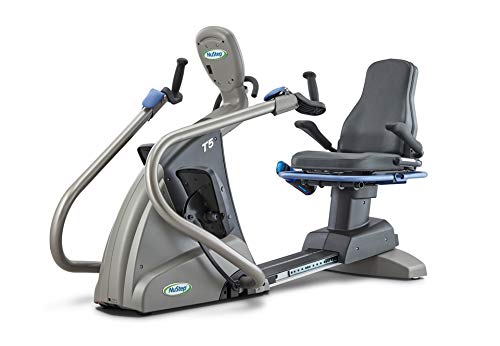
LCD Color Display
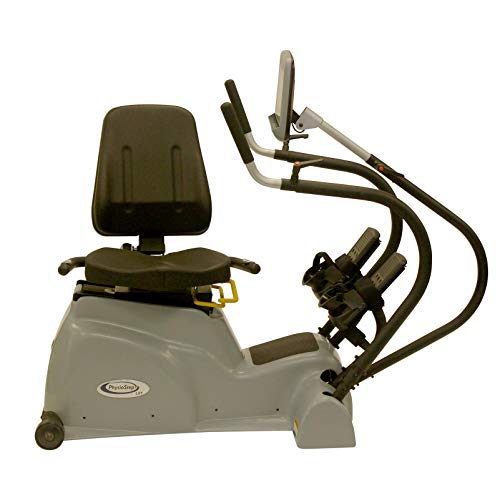
Low impact: inclusive ergonomic design accommodates a wide range of users at various fitness levels. Patented natural stepping motion and comfortable seat provide a low impact total body workout

Fine-tune your form with this premium launch monitor and simulator that utilizes a 3-camera system for precision metrics
Choosing the Right Method for Your Goals
Choosing the right training method can feel like a puzzle, especially when both tempo runs and interval training offer distinct advantages. If your primary goal is to improve endurance, consider adopting a tempo run strategy. These runs, lasting 20 to 40 minutes at a “comfortably hard” pace, help raise your lactate threshold and improve sustained pace. On the other hand, if you’re looking to enhance speed and power, you might prefer an interval structure. This involves short bursts of high-intensity running followed by rest, perfect for increasing VO2 max. Remember to take your recovery needs into account; intervals require more recovery due to their intensity, while tempo runs can be done more frequently without turning you into a couch potato.
Recommended Products


Outsole: R4 outsole – carbon injected nylon, stiffness index 26

The ASICS Novablast 5 is a shoe designed for medium-weight runners. Both the technologies and materials with which they have been designed guarantee excellent cushioning and safety, without neglecting stability.
Frequently Asked Questions
Can Beginners Perform Tempo Runs or Interval Training?
Yes, I’ve found beginners can do both. For tempo run benefits, focus on a manageable pace. Interval training tips include starting with longer rest periods and fewer repetitions to build confidence and avoid injury.
How Often Should I Include These Runs in My Training Plan?
I’ve found including tempo runs and interval training in my weekly frequency of one to two times each provides a solid training balance. It keeps me challenged without overwhelming my body, which is essential for progress.
What Should I Eat Before Tempo Runs and Intervals?
I always focus on pre-run nutrition, consuming whole grains or a banana 2–3 hours prior. For quick energy sources, I grab a sports drink or fruit 30–60 minutes before tempo runs or intervals.
How Do I Measure My Heart Rate During These Workouts?
I measure my heart rate during workouts using monitoring devices like my smartwatch or chest strap. These help me track my intensity, ensuring I stay within the right zones for effective cardio and performance improvement.
Can I Combine Tempo Runs and Interval Training in One Session?
Ever wondered if you can combine tempo runs and interval training in one session? Absolutely! The benefits of this combination boost training intensity and enhance endurance and speed, making it an effective workout strategy for any runner.