As an Amazon Associate, we earn from qualifying purchases. Some links on this site are affiliate links at no extra cost to you. Our recommendations are based on thorough research and editorial judgment.


The Ultimate Guide to the 3 Best Running Shoes: Find Your Perfect Fit

Finding the right running shoes can be a game-changer for your comfort and performance. The Saucony Mens Guide 13 is perfect for flat feet, offering great arch support and cushioning. For those seeking comfort and support in a women’s shoe, the Saucony Womens Guide 15 features a springy feel and wide toe box, though it may run narrow at the heel. If you’re looking for something lightweight for summer, check out the Barefoot Water Shoes. Stick around to uncover more details!
Key Takeaways
- Understand your foot shape and running style to find the best shoe for comfort and performance.
- Consider essential features like arch support, cushioning, and toe box width when choosing your running shoes.
- Test different brands, especially focusing on true-to-size options like Saucony for better fit.
- Ensure there is sufficient space around the toe area to prevent blisters during runs.
- Prioritize shoe selection based on terrain type and personal running conditions for optimal comfort.
Saucony Mens Guide 13 Trail Running Shoes
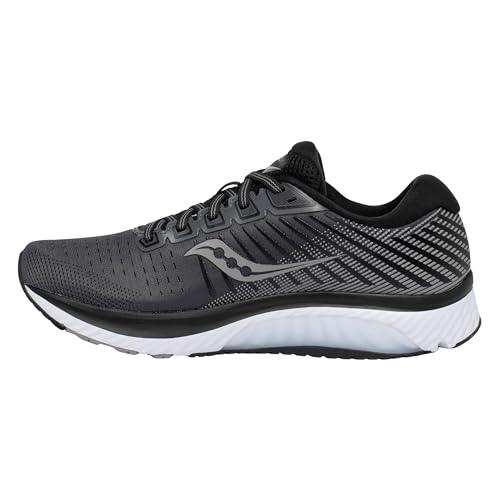
Saucony Men's Guide 13 Sneaker, Black/White, 11
- Dream it and achieve it with the sleek and supportive Saucony Guide 13 running shoes. Perfect for runners seeking reliable comfort on any run.
- Predecessor: Guide 12.
- PWRRUN cushioning delivers the perfect amount of softness while remaining responsive mile after mile.
If you’re a runner with flat feet or dealing with plantar fasciitis, the Saucony Mens Guide 13 Trail Running Shoes might just be your new best friend. These shoes offer exceptional cushioning and support while remaining lighter than previous models. With a true-to-size fit, they provide solid stability, catering to varying foot angles. Users love the improved arch support and noticeable comfort during runs, allowing for longer distances without pain. The flat shoelaces won’t untie unexpectedly, and while excellent ventilation exists, keep in mind it might invite a little water on rainy days. Overall, these shoes deliver a reliable running experience.
Best For: Runners with flat feet or plantar fasciitis seeking excellent cushioning and support in a lightweight shoe.
Pros:
- Offers exceptional cushioning and arch support for enhanced comfort during runs.
- True-to-size fit with stability for varied foot angles, making it suitable for a wide range of runners.
- Flat shoelaces that stay tied and good ventilation for breathability, though it may let in water during rain.
Cons:
- May not be ideal for very wide feet or specific issues like knee pain.
- Some users feel the performance does not match that of previous models, like the Guide 10.
- Ventilation can allow water seepage in rainy conditions, which could be an issue for some runners.
Saucony Womens Guide 15
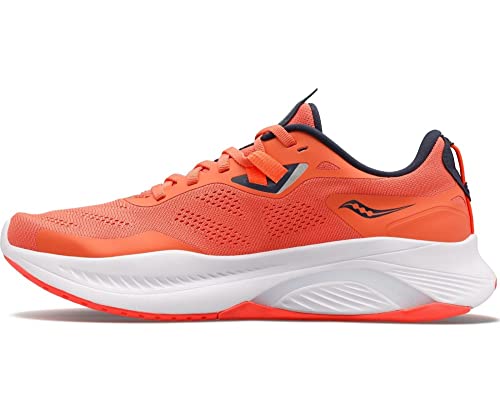
Saucony Women's Guide 15 Sneaker, Sunstone/Night, 8
- Lighter and smoother every step of the way: With a softer, lighter PWRRUN formula and more midsole beveling, you get a thicker stack of cushioning and an incredibly...
- Support that lets you fly: HOLLOW-TECH gives you the underfoot support you need, but in a lightweight and minimalistic way.
- Fits just right: By carving out the midsole and creating a deeper footbed, you sit into the shoe, instead of on top of it, for an incredibly supportive fit.
The Saucony Women’s Guide 15 is an excellent choice for runners seeking a balance of comfort and support in their footwear. Weighing in at just around 9 ounces, these shoes offer a soft, springy feel with a wide toe box that accommodates natural toe splay. Users rave about the arch support, especially helpful for conditions like plantar fasciitis, making them suitable for both running and daily wear. However, some find the fit a bit unbalanced, particularly with the wide front compared to the narrower heel. Priced initially at $60 but later raised to $100, availability can be hit or miss—so choose wisely!
Best For: Runners and walkers seeking exceptional comfort and arch support, particularly those dealing with plantar fasciitis.
Pros:
- Exceptional comfort and arch support suitable for long periods of wear.
- Wide toe box allows for natural toe splay, enhancing comfort.
- Soft, springy feel provides a gentle “squish” sensation during pressure.
Cons:
- Fit can feel unbalanced with a wider front compared to the narrower heel.
- Durability issues reported, particularly around the big toe area.
- Price increase from initial $60 to $100 has left some users dissatisfied with the value received.
Barefoot Water Shoes for Men and Women
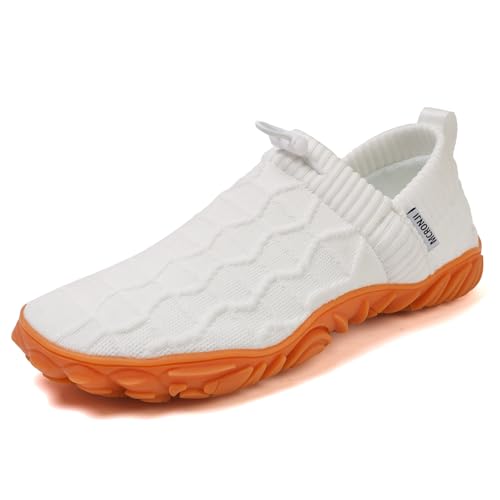
MCRONJI Barefoot Water Shoes, Minimalist Running Sneakers, Beach Outdoor Shoes, Men and Women White
- Perfect for water activities, beach outings, and outdoor running
- Ultra-lightweight minimalist design promotes natural foot movement
- Flexible upper material adapts to foot shape
Looking for a versatile shoe that can shift from the beach to an outdoor barbecue? Barefoot water shoes for men and women are an excellent choice. These minimalist sneakers feature a snug fit with a box toe design, accommodating your foot comfortably. While they’re not true water shoes, they work well for beach walks and casual summer outings, thanks to their lightweight, breathable material. With a slip-on design, they’re easy to wear, offering good slip resistance on various surfaces. Just remember, if you’re on the larger end of your size range, sizing up might help avoid a pinch at your toes.
Best For: Those looking for a comfortable and versatile shoe for casual summer activities like beach walks and outdoor gatherings.
Pros:
- Very comfortable on sand, ideal for beach walks
- Easy slip-on design, lightweight and stylish
- Breathable construction keeps feet cool
Cons:
- Largest size may fit snugly, especially at toes
- Not suitable for extended wear; potential discomfort after long walks
- Misleading classification as water shoes due to heavy, absorbent material
Factors to Consider When Choosing a Running Shoes Size Guide

When choosing a running shoe, you need to take into account factors like fit for your foot shape and the width of the toe box. Plus, think about how much arch support you require and your cushioning preferences based on the terrain you’ll run on. Ignoring these details might lead to discomfort, and let’s be honest, nobody wants their shoes to feel like a medieval torture device!
Fit for Foot Shape
Finding running shoes that fit your foot shape can feel like a treasure hunt—after all, the right pair makes all the difference in comfort and performance. First, consider your arch type: high, neutral, or low. This choice will provide essential support. Next, verify your shoes have a snug heel to prevent slipping, while allowing enough room in the forefoot—too tight can lead to blisters or worse. Look for shoes that cater to various foot angles, especially if you have flat feet or conditions like plantar fasciitis. Finally, always check width variances; a wider toe box allows for natural toe splay, enhancing comfort on those long runs. Remember, the perfect fit is like gold, so don’t rush it!
Toe Box Width
Foot shape plays a key role in determining the right running shoes, and toe box width is an essential aspect to contemplate. A proper toe box width provides space for your toes, allowing for natural splay during your run. If you’ve got wider feet or conditions like bunions, look for shoes with a spacious toe box to prevent discomfort and blisters. Narrow options can feel like a vice grip on your toes—definitely not a recipe for a pleasant jog! Consider your foot shape and running style; some runners thrive with more room at the front. Investing in shoes that fit well can enhance gait mechanics, making your running stride more efficient and reducing injury risk.
Arch Support Importance
Having the right arch support in your running shoes can make a world of difference, especially if you know you tend to overpronate or have high arches. Without proper support, you risk injuries like plantar fasciitis or shin splints, which nobody enjoys. Look for shoes designed for your arch type, ensuring they distribute weight evenly across your foot. Personalized fitting, such as evaluating your arch height, can help narrow down your choices, increasing comfort and efficiency. Studies show that runners with adequate arch support report less fatigue and pain, making their runs more enjoyable. Remember, the right arch support isn’t just a nice-to-have; it’s essential for maintaining a happy, healthy running journey. Your feet will thank you!
Cushioning Preferences
The right cushioning in your running shoes plays an essential role in overall comfort and performance. It’s vital to match cushioning to your unique foot shape and running style. For example, if you experience plantar fasciitis, finding a shoe with excellent arch support and suitable cushioning can alleviate discomfort greatly. Generally, lighter shoes provide a more responsive feel, while heavier models offer increased cushioning, though they might feel less agile. Consider your usual training surfaces: cushioned shoes absorb impact on hard ground, reducing fatigue, whereas less cushioned options deliver better ground feel on softer terrains. Remember to try different cushioning levels; too soft can lead to instability. So, don’t be shy—shop around until you find your perfect fit!
Terrain Considerations
Finding your way through different terrains can feel like traversing a minefield of choices when it comes to selecting the right running shoes. First, consider the terrain type: road, trail, or track. Trail shoes often have rugged treads for better traction on uneven ground. If you’re running on soft surfaces like grass, opt for more cushioned shoes to minimize injury risk. On firmer terrains, choose responsive shoes for improved energy return. For wet conditions, look for shoes with enhanced grip and drainage features to keep you upright! If you tackle hilly areas, prioritize stability and support. Finally, remember that a wider toe box can benefit your feet, especially on trails, as they may expand during your run.
Sizing Measurement Tips
When you’re ready to choose the perfect running shoes, getting the right size shouldn’t be an afterthought. Start by measuring your feet at the end of the day; they’re usually swollen, giving you a more accurate fit. Remember to measure both feet, since one is often larger—use the bigger size as your guide. Don’t forget width; some brands cater to wider or narrower feet, so check their sizing charts too. When trying on shoes, wear the socks you’ll actually use for running to avoid snug surprises. Aim for a thumb’s width space between your longest toe and the shoe’s end. That way, your toes can spread comfortably during your runs, and you won’t feel like your shoes are trying to suffocate you!
Brand-Specific Sizing Differences
Since many runners don’t realize that sizing can differ dramatically between brands, it’s crucial to pay close attention to each brand’s specific sizing chart before making a purchase. Some brands, like Saucony, typically run true to size, while others may vary considerably, so measure your feet carefully. Don’t forget that width options, such as narrow, standard, and wide, can make a great difference in comfort for different foot types. Plus, certain models occasionally change their fit due to updates in design, cushioning, or toe box shape. To guarantee the best fit, try on shoes later in the day when your feet might be slightly swollen, which, let’s be honest, is a reality many of us can relate to!
Frequently Asked Questions
How Often Should I Replace My Running Shoes?
You should replace your running shoes every 300 to 500 miles, depending on your running style and body weight. If you notice reduced cushioning, increased discomfort, or visible wear on the outsole, it’s time for a change. Regularly check the shoe’s midsole for cracks or flattening. Remember, worn-out shoes can lead to injuries—not exactly the kind of running you want. Happy running, but don’t forget that fresh shoes make a difference!
Can I Use Running Shoes for Walking?
Yes, you can use running shoes for walking, but consider your shoe’s design and cushioning. A study shows that runners can log over 300 miles in their shoes before significant wear. Ideally, choose a pair with ample arch support and a flexible sole. If you’re walking long distances frequently, look for shoes around $100-$150 that offer stability. Just remember, your feet will thank you for comfy shoes, whether you’re running or strolling!
Do Running Shoes Need to Be Broken In?
Yes, running shoes generally need some breaking in. While many brands design them to be comfortable right away, you might still want to wear them for short walks or light jogs initially. This allows the materials, like foam and mesh, to adapt to your feet. A good rule of thumb is to break them in over about 10-15 miles. If your shoes start pinching, it’s time to reevaluate that fit!
What Type of Socks Should I Wear With Running Shoes?
When you lace up for a run, the right socks can feel like a cozy hug for your feet. You should choose moisture-wicking socks made from synthetic materials or merino wool, ideally with cushioning and arch support. Aim for socks that fit snugly, usually a size small to large based on your shoe size, and avoid cotton, as it retains moisture. Expect to pay around $10 to $25 per pair—but trust me, it’s worth it!
Are Expensive Running Shoes Worth the Investment?
Expensive running shoes can be worth the investment if they meet your unique needs. High-quality options often feature advanced cushioning, better support, and durable materials, which can help prevent injuries. For example, shoes priced around $120 to $200 often incorporate lightweight fabrics and advanced technology, enhancing performance. While you can find budget options, don’t underestimate the long-term benefits of investing in well-made shoes—your feet will thank you, especially after those long runs!


