As an Amazon Associate, we earn from qualifying purchases. Some links on this site are affiliate links at no extra cost to you. Our recommendations are based on thorough research and editorial judgment.


How Do Compression Sleeves Help With Running Performance?

Compression sleeves can really enhance your running performance. They improve blood flow and oxygen delivery to your muscles, which helps reduce fatigue and boost endurance during your runs. By offering muscle support, they can minimize vibrations and improve stability, too. Many runners notice greater comfort and a quicker recovery after workouts. If you want to find out more about how to choose the right sleeves and other benefits, keep exploring the topic!
Key Takeaways
- Compression sleeves enhance oxygen delivery to muscles, improving endurance and performance during runs.
- They reduce muscle vibrations, stabilizing muscles and minimizing injury risks, aiding in energy conservation.
- Improved blood circulation from the sleeves promotes faster recovery, allowing for consistent training and reduced soreness.
- The snug fit can alter fatigue perception, leading to improved mental focus and reduced perceived exertion during runs.
- Tailored compression levels (20-25 mmHg) enhance blood flow and support muscle alignment for better biomechanics while running.
Improved Oxygen Delivery and Blood Flow
When you think about enhancing your running performance, improved oxygen delivery and blood flow should be high on your list of priorities. Using compression sleeves can greatly boost oxygen saturation in your muscles during exercise, especially when you consider the appropriate pressure level. Studies show that higher compression correlates with better oxygen availability in muscles like your quadriceps and gastrocnemius. These sleeves also encourage blood circulation by improving venous return, which helps maintain stroke volume during your runs. With better circulation, you can reduce fluid pooling in your legs, setting you up for a more sustained performance. Additionally, compression therapy sleeves are made from breathable materials that enhance comfort during long runs. So, if you’re looking to stay active longer, investing in compression sleeves could be one of your best decisions—just choose wisely!
Muscle Vibration Reduction and Stability
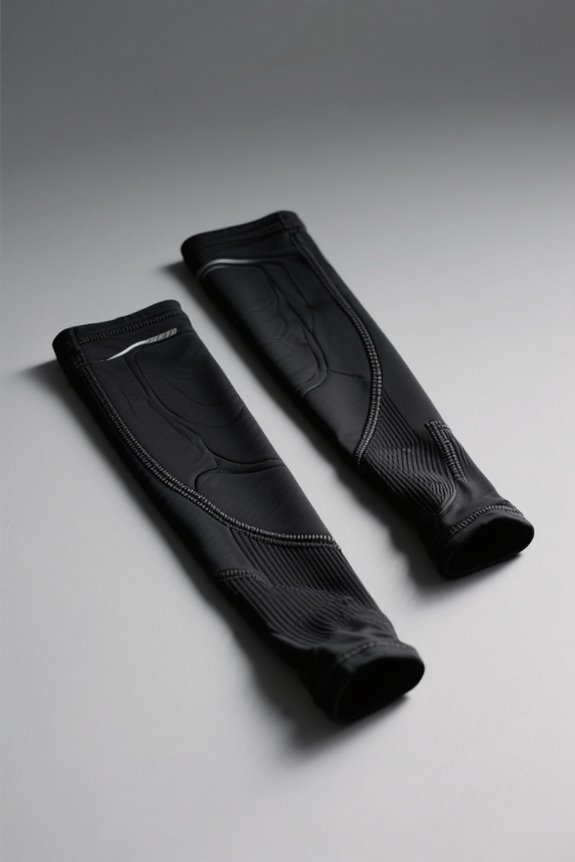
Muscle stability is essential for runners looking to optimize their performance and reduce fatigue. Compression sleeves do an excellent job of minimizing muscle oscillation, which occurs during the pounding impact of running. By applying pressure, these sleeves restrict excessive muscle movement, consequently stabilizing the muscles and decreasing the chances of injury. In my experience, this stability not only helps maintain proper form but also reduces the overall strain on my muscles, allowing for longer runs without as much fatigue. Research shows that with less muscle vibration, I can sustain lower levels of muscle activation, meaning I save energy. Moreover, the compression levels provided by these sleeves promote better blood circulation, further enhancing performance. Overall, using compression sleeves translates to a better running experience and can even lead to fewer post-run aches and pains—now that’s a win!
Enhanced Running Economy and Performance Metrics
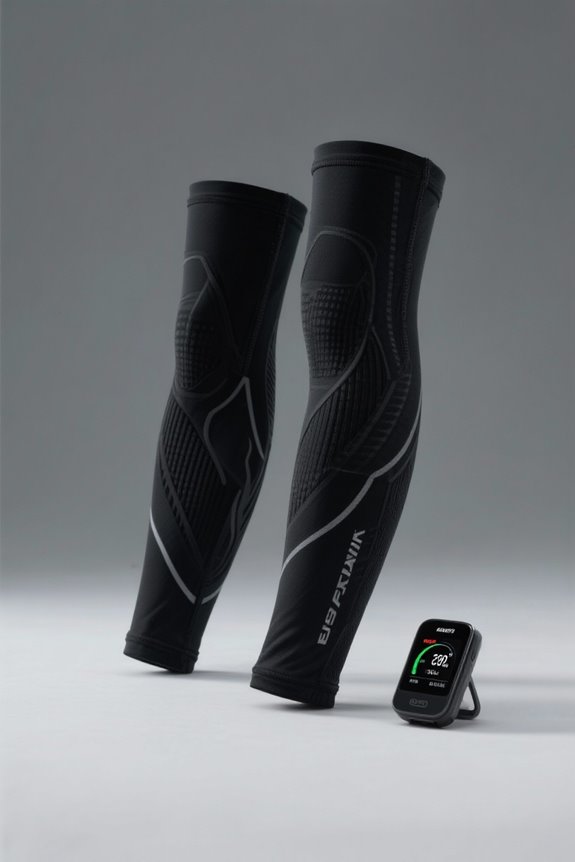
While many runners seek ways to enhance their performance, compression sleeves have emerged as a practical solution worth considering. These sleeves provide graduated pressure that supports muscle groups, promoting better biomechanical alignment. In my experience, wearing them can improve running economy, measured by oxygen consumption at a given pace. Studies show that this support decreases unnecessary muscle oscillations, leading to greater energy efficiency. Plus, with improved blood flow and oxygen delivery, I find I can sustain efforts longer. For those looking to master endurance races or improve their times, the investment is worthwhile. Typically, a good pair of compression sleeves ranges from $40 to $70, which could mean the difference between a great run and a tiring crawl. Additionally, these sleeves can offer moisture-wicking properties, enhancing comfort during long runs.
Perceived Fatigue Reduction and Comfort Benefits

Although many runners may not realize it, using compression sleeves can profoundly alter how you perceive fatigue during a run. These sleeves offer muscle stabilization, reducing vibrations and oscillations in your legs. Research shows this leads to a decreased rate of perceived exertion, making you feel less fatigued. Personally, I’ve noticed that wearing compression garments helps me feel more comfortable, as they reduce muscle soreness during and after my runs. Plus, they enhance proprioception, which helps you feel more in control of your movements. These comfort benefits aren’t just in my head; studies back them up! If you haven’t tried compression sleeves yet, give them a shot. They might just change how you feel on your next long run. Additionally, many compression sleeves provide UPF 50+ protection from harmful rays, making them ideal for outdoor running.
Accelerated Recovery and Muscle Damage Mitigation

When you’re pushing your limits in running or any endurance sport, accelerated recovery and muscle damage mitigation are essential for keeping you in the game. Compression sleeves can be a valuable tool in your recovery strategies, as they help reduce muscle soreness and diminish inflammation. By enhancing blood flow, these sleeves promote faster removal of metabolic waste, such as lactate, which can linger post-exercise. Studies indicate that compression may lead to about 6% faster recovery in strength and performance within 24 to 48 hours. Additionally, they stabilize muscles, minimizing microtrauma and optimizing joint mobility. Furthermore, compression aids in reducing post-exercise muscle soreness and supports improved blood flow for quicker recovery times. So, if you’re serious about your training, consider investing in a good pair of compression sleeves; they might just be the extra boost your tired legs need!
Limitations and Variability in Effectiveness
Even if compression sleeves are touted as game-changers for running performance, there are notable limitations and variability in how they affect different individuals. Research suggests only slight improvements in running economy, with a mean effect size around 0.21, which isn’t exactly groundbreaking. You might find that some runners experience performance inconsistencies, as studies show no significant boosts in high-intensity running across distances. Also, keep in mind that these sleeves may help with soreness reduction for some but not all, leading to individual variability in their effectiveness. Plus, the fit matters; you want graduated compression for best results. Additionally, many users report noticeable improvements in performance using compression sleeves after proper sizing and care, so if you’re thinking of investing, make sure to try different types and styles, finding what feels best for you, not just what’s trending!
The Role of Compression in Endurance Performance
Compression sleeves can play an interesting role in enhancing endurance performance for runners. Their compression mechanics, which apply graduated pressure, improve blood circulation and support venous return. This means more oxygen and nutrients reach your muscles, helping to stave off fatigue during long runs. You’ll find that with better clearance of metabolic waste, those pesky soreness and inflammation feel reduced, making post-run life a bit more bearable. Plus, compression can stabilize your muscles, providing support against injuries, while also warming up your tissues for peak functionality. Investing in a good pair typically costs between $30 to $70, but the endurance enhancement they offer might just make that price tag an afterthought when you crush your next marathon. Additionally, compression socks are effective in reducing joint stiffness, which can further enhance your running performance.
Psychological Impact of Compression Sleeves
Many runners find that adding compression sleeves to their gear can have surprising psychological benefits. Personally, I’ve noticed a noticeable confidence boost when I wear them. The snug fit gives me a feeling of muscle stability that reduces anxiety and enhances focus during tough parts of a race. It’s fascinating how much the placebo influence can motivate us; believing we’re better supported makes the miles feel less intimidating. Plus, compression sleeves help with distraction management by minimizing muscle oscillations, allowing me to concentrate on my pace. This simple gear contributes to my mental resilience, turning fear into a more relaxed performance mindset. The combination of performance perception and psychological support really helps me tackle those challenging runs! Additionally, the right compression level can significantly enhance blood circulation, further boosting both physical and mental performance.
Comparison of Compression Sleeve Designs
When it comes to choosing the right compression sleeve design, the options can feel overwhelming—especially for beginners. You’ll find size variations that cater to different limb circumferences, ensuring a snug fit without constriction. Many designs focus on specific muscle groups, using targeted compression zones to boost support and reduce fatigue. For instance, higher compression levels like 16-24 mmHg enhance blood flow and stabilization during intense runs. Your design preferences might lean toward seamless constructions to minimize chafing or breathable materials that regulate temperature. Remember, thinner sleeves excel in warm climates, while thicker ones provide warmth and protection in colder conditions. Finding the right combination of thickness and fit can genuinely elevate your running experience—no one likes finding themselves in overly tight sleeves! Additionally, choosing the right footwear, like the Brooks Hyperion Tempo, can enhance your overall performance and comfort during runs.
Recommendations for Effective Use
Choosing and using compression sleeves effectively can enhance your running experience greatly. To make the most of them, focus on application timing. I recommend wearing sleeves during runs to support your muscles and reduce vibration. Don’t forget to put them on post-run for quick recovery, helping with lactate clearance and inflammation. Consistently using them across training days maximizes benefits. As for compression levels, opt for graduated sleeves with a pressure of 20-25 mmHg. This range promotes circulation without sacrificing comfort. Guarantee a proper fit by checking your calf or arm measurements. Remember, a little sweat is good, but keeping those sleeves breathable is key to preventing discomfort. High-quality nylon and spandex blends will ensure durability and comfort during your runs. Your legs will thank you for it later.
Future Trends in Compression Technology
What’s the future of compression technology for runners? I see exciting advances on the horizon! We’re witnessing sustainability innovations, with eco-friendly materials becoming mainstream. Just think about it: compression sleeves that not only enhance performance but also respect our planet. Adaptive textiles featuring smart fabrics like phase-change materials will adjust to your body temperature, keeping you comfortable throughout your run. Imagine using sensors in your sleeves to track muscle activity and fatigue in real time. They’ll even sync with your smartphone, providing insights into your performance. Customizable options will allow you to tweak the fit and compression levels. With these trends, the running experience might soon feel like a personalized tech suite—minus the batteries!
Frequently Asked Questions
Can Compression Sleeves Be Worn During Other Physical Activities?
I wear compression sleeves during yoga and cycling for added support. They enhance blood circulation, reduce soreness, and help with recovery, making them versatile across various physical activities, not just running.
Do Compression Sleeves Come in Different Sizes and Styles?
Yes, compression sleeves do come in various size options and style variations. I’ve found that choosing the right fit and design makes a big difference in comfort and performance during my running sessions.
How Do I Properly Wash and Care for Compression Sleeves?
To keep my compression sleeves in tip-top shape, I use gentle washing techniques and care tips. Hand wash with mild detergent, air dry flat, and store away from sunlight. They’ll thank me later!
Are There Any Contraindications for Wearing Compression Sleeves?
Absolutely, there are contraindications for wearing compression sleeves. They can hinder blood circulation, especially if too tight, and may cause skin irritation, particularly for those with underlying conditions. Always consult a healthcare provider first.
How Long Should I Wear Compression Sleeves After Running?
Wondering how long to wear compression sleeves after running? I usually keep them on for about 30 to 60 minutes for ideal recovery duration, but occasionally extend wear up to several hours based on my activity intensity.


