As an Amazon Associate, we earn from qualifying purchases. Some links on this site are affiliate links at no extra cost to you. Our recommendations are based on thorough research and editorial judgment.


How Should Running Shoes Fit Properly?

When it comes to running shoes, a proper fit is essential. I recommend there be a thumb’s width of space—around 12-15 mm—between your longest toe and the shoe’s front, making sure your toes aren’t crammed. The heel should feel snug but not pinching, with minimal slippage. For extra comfort, consider a wider toe box if needed. Remember, evaluating fit isn’t a one-time event; your feet can change over time, so stay tuned for more fitting tips!
Key Takeaways
- Ensure a thumb’s width of space beyond your longest toe for proper toe box length and comfort.
- The heel should feel snug without pinching, allowing for about 1 to 1.5 finger widths of space behind it.
- Measure both feet while standing, as size can vary and may change throughout the day.
- Aim for secure arch support that allows natural toe splay without pinching in the midfoot area.
- Consider seeking professional fitting assistance for personalized evaluations and recommendations.
Importance of Proper Fit in Running Shoes
When it comes to running shoes, getting the right fit isn’t just a nice-to-have—it’s essential. A proper fit assessment can prevent blisters, calluses, and even serious injuries like plantar fasciitis. Using effective fitting techniques, like ensuring your shoes accommodate your arch height and foot width, keeps your feet aligned and supported, reducing risks of overuse injuries. You’ll find that shoes that fit well also enhance your running performance by allowing better energy transfer with each step. Plus, they’re more comfortable during long runs, which means you’ll stick to your training plan without discomfort holding you back. So, don’t skip a good fit—your feet will thank you, and you might even shave a few seconds off that mile time! Additionally, proper sizing is crucial, allowing for a snug fit with natural movement.
Measuring Your Feet Accurately

Achieving an accurate measurement of your feet is the first step toward finding the perfect running shoes. There are different methods for measuring feet, and using the right tools is vital. A Brannock device is one of the most reliable tools available for measuring length, width, and arch length. I recommend measuring while standing to capture foot shape under weight, ideally on a flat surface. Don’t fall for common misconceptions; both feet may differ in size, so always measure individually. Using a ruler or tape can also work, just guarantee you mark key points correctly. Remember, accurate sizing can prevent discomfort later, so take your time, and consider checking your foot measurement at different times of the day for the best fit! Additionally, consider the importance of proper arch support when selecting your running shoes, as it plays a crucial role in maintaining alignment and preventing injuries.
Recommended Products

This is Mephisto's #1 selling walking shoe. You won't match the comfort anywhere else.

Nylon/Cow And Goat Suede

NON-SLIP SHOES FOR WOMEN: These SAS Tour Mesh shoes come with a removable SAS CoolStep Footbed with an anti-friction lining that provides a cool surface underfoot with a moisture-wicking bottom layer designed to keep your feet cool and dry. Get ready for the weekend with the sporty style of these shoes. They come with a cushioned tongue and collar for a cozy fit.
Toe Box Space and Comfort
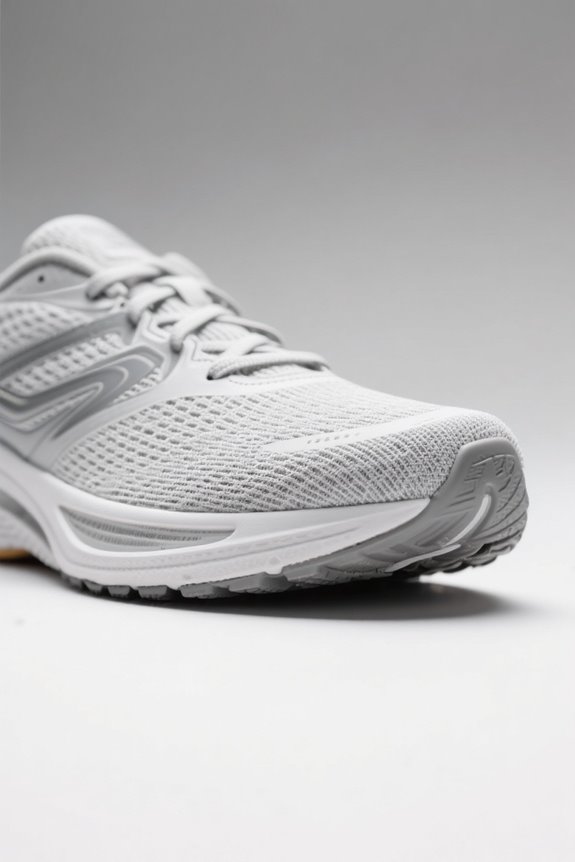
Finding the right amount of space in the toe box of your running shoes can make all the difference, especially during long runs. For ideal comfort, aim for a thumb’s width (about 12-15 mm) of toe box length beyond your longest toe. This guarantees proper toe splay and accommodates foot swelling that occurs during longer distances. A wider toe box is essential for wiggle room, while the toe box height should be just right to avoid pressure on your toes. Consider the toe box shape too; it must balance roominess and precision. Finally, choose flexible toe box materials that reduce injury risks. Remember, fit testing helps confirm your shoes don’t end up feeling like a medieval torture device on your next run! Additionally, proper arch support is crucial for enhanced comfort during your runs, as it helps to prevent injuries associated with poor footwear fit.
Recommended Products

Fleece lined with 200g Thiosulfate insulation


Synthetic upper is lightweight & durable with perforations in the toe box for added breathability
Understanding Heel and Midfoot Fit
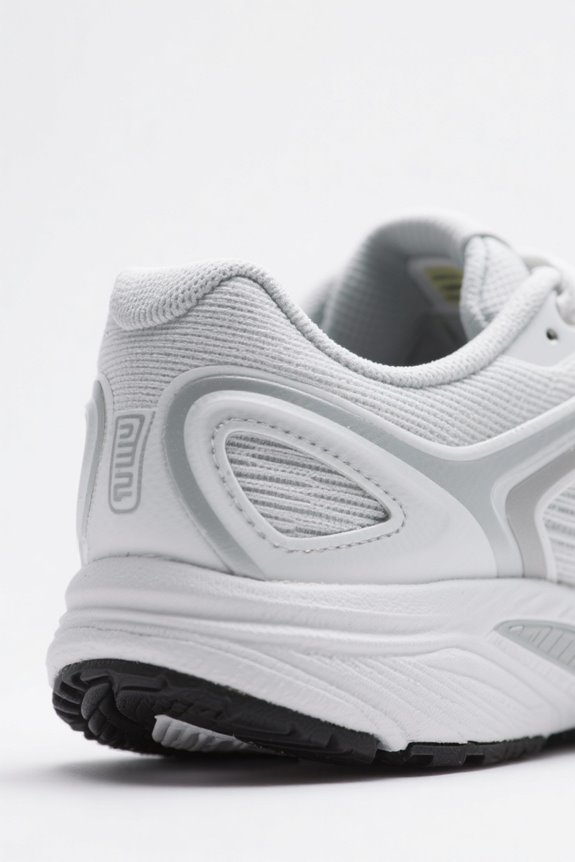
Understanding how your heel and midfoot fit in running shoes is crucial for both comfort and performance. Ideally, your heel should feel snug without pinching, allowing for stability while moving. A good fit lets you have about one to 1.5 finger widths of space behind the heel when flat. Excessive heel lift? That’s a red flag—it might lead to blisters or even injuries. Your midfoot needs solid arch support, feeling secure but not overly tight. Assess your fit by testing heel lift and adjusting lacing techniques for a snugger midfoot fit. Remember, as your foot shape may change due to factors like weight fluctuations, regular fit assessments are essential. After all, nobody likes an unexpected shoe dance! Additionally, choosing shoes designed for overpronation support can significantly enhance your running comfort and performance.
Recommended Products
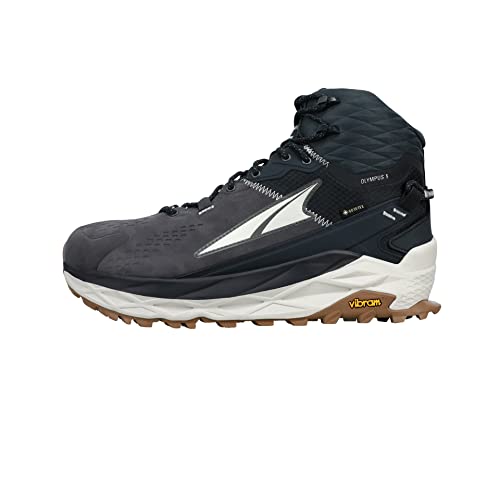
Mass: 18.6 oz/ 528 g

FuelCell foam delivers a propulsive feel to help drive you forward

Years of research went into perfecting the SuperComp Elite v4 containing a FuelCell midsole made with PEBA
Sizing Considerations for Running Shoes
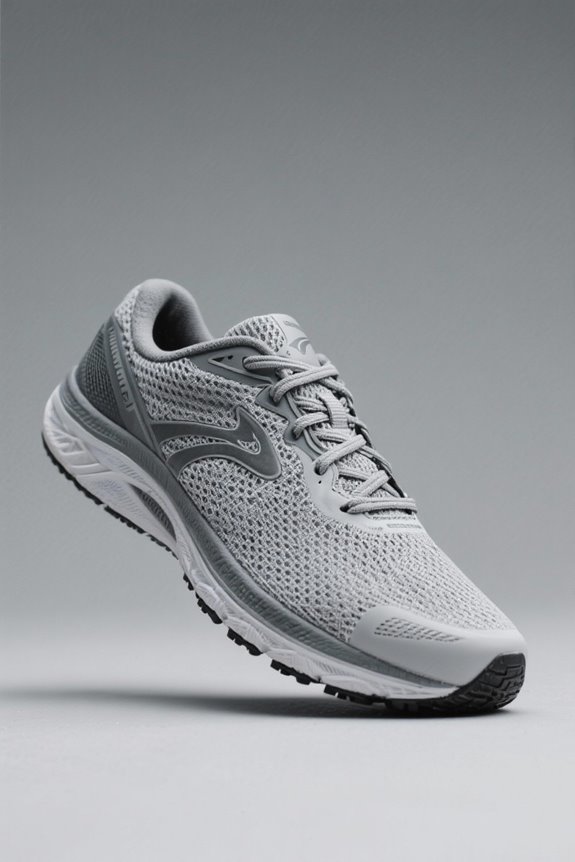
How do you know if you’re wearing the right size in running shoes? First, measure your feet regularly, especially since length and width can change due to age, pregnancy, or injury. It’s essential to account for your foot arch, as it can affect your shoe size. A proper fit means you should have about a thumb’s width of space between your longest toe and the front of the shoe. If your shoe width feels too tight, consider going up half a size or choosing a wider fit. Remember, always fit the larger foot! Don’t rely on break-in time to fix size issues—your shoes should feel just right from the start! Effective cushioning and breathability are also crucial for enhancing foot health during your runs. Happy running!
Recommended Products


The Role of Socks in Shoe Fit
While you might think of running shoes as the primary element of your running gear, socks play an essential role in achieving the best fit and comfort. When choosing running socks, consider sock thickness, since it can impact how your shoes fit. Thinner socks may feel more snug, while thicker ones offer more cushioning. Look for moisture management features, as socks made from synthetic blends or merino wool wick sweat away, keeping your feet dry and comfortable. Avoid cotton socks, which retain moisture and can lead to blisters. Also, choose socks designed specifically for your foot shape to reduce irritation and guarantee a secure fit. Don’t forget to try them on with your shoes to find the perfect pairing! Additionally, ensure your socks complement your 8mm drop running shoes, as the right combination can enhance overall performance.
Addressing Orthotics and Custom Inserts
Finding the right running shoes can feel like a puzzle, especially when you consider orthotics and custom inserts. Ill-fitting orthotic types can lead to blisters, calluses, and even injuries if they don’t fit well. Be sure to remove the original insole to create adequate room for your orthotics. Testing the fit by walking around helps uncover any discomfort. Look for shoes with removable insoles, motion control features, and a higher volume upper to accommodate thickness. A neutral cushioned platform is ideal, as it allows for better support without interfering with the orthotic’s function. Popular choices, like New Balance 990v6 and Brooks Ghost 16, provide the necessary support and comfort to keep you running strong—without the crowding! Additionally, ensure that the shoes you choose have breathable materials to maintain comfort and regulate temperature during your runs.
Recommended Products
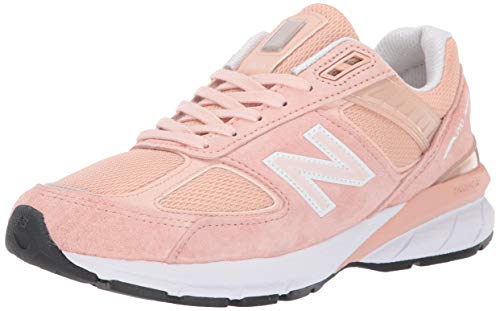
Manufactured in the US for over 75 years and representing a limited portion of our US sales. New Balance Made is a premium collection that contains a domestic value of 70% or greater.


Nubuck leather upper
Variability in Brand and Model Fits
When exploring running shoes, it is crucial to remember that fit can vary considerably between different brands and even within the same brand. You’ll find brand discrepancies in width and length; for instance, Nike tends to run narrower than Reebok. Model variations can also change fit drastically—even the same brand’s shoes designed for racing, like the Nike Vaporfly, fit snugger than the more accommodating Pegasus. Plus, updates every few years might adjust sizing for certain styles, so it is wise to reassess fit. Some brands like Hoka traditionally offer roomier fits, but that can change with new releases. Ultimately, always try shoes on, as comfort depends on more than just the label; it is about finding the right fit for your unique foot shape.
Testing for the Right Size
To guarantee a proper fit for your running shoes, it’s essential to test them carefully before making a purchase. Start by ensuring a snug heel and midfoot fit, which prevents slippage, but don’t overdo it; comfort is key! When checking size adjustments, confirm there’s about a half to a full thumb’s width between your longest toe and the shoe’s front. I recommend doing some dynamic testing—walk or jog around the store to see how they feel under pressure. Look for any uncomfortable spots, as these can be tell-tale signs of a poor fit. Finally, consider trying different sock thicknesses during your fitting, ensuring you find that sweet spot for snugness without too much tightness. Additionally, remember that the importance of arch support is crucial for overpronators to maintain proper foot alignment. Happy shoe hunting!
The Significance of Daytime Measurements
Ever wonder why measuring your feet at different times can change the size of the running shoes you need? It’s all about that swelling impact! In the morning, your feet are smaller, but as the day goes on—especially after you’ve moved around—they expand. That’s why an afternoon fitting is best. When you’re trying on shoes, do it later in the day or after a short run, when your feet are at their largest. This way, you can avoid discomfort, blisters, or worse! Aim for about a thumb’s width of space between your toes and the shoe’s front. By choosing the right time to measure and fit, you guarantee ideal comfort and performance during your runs. Additionally, sustainable practices in shoe design can enhance overall satisfaction with your purchase, ensuring you enjoy your runs even more.
Avoiding Common Fit Mistakes
Many runners unintentionally make common mistakes when fitting their shoes, which can lead to discomfort or even injuries. To avoid fit pitfalls, remember that shoes shouldn’t be too short or long; aim for about a thumbnail’s width between your longest toe and the shoe’s end. Confirm the width allows natural toe splay without pinching. For heel fit, ideally, there shouldn’t be more than half an inch of slippage—no one wants a foot dance party inside their shoes! Use adjustment techniques like the runner’s loop for better heel security. Don’t overlook your foot shape; specialty brands cater to deformities like bunions. Finally, keep comfort in mind—your shoes should feel snug, not constricting, confirming your foot can move naturally during runs. Additionally, consider the importance of breathable materials to help regulate temperature and moisture for a more comfortable experience.
Injury Prevention Through Proper Fit
Proper fit is essential for preventing injuries in runners, and understanding your shoe’s specifications can make all the difference. First, know your foot type. If you have high arches, look for cushioned shoes that absorb impact, while flat-footed folks should seek motion-control shoes with arch support to limit overpronation. A well-fitted shoe can decrease injury chances considerably; for instance, using advanced technologies like U-TECH™ can reduce Achilles tendon injury risk by up to 50%. Also, don’t overlook shoe rotation—switching up pairs reduces repetitive stress on your legs, decreasing injury risk by about 39%. So, choose wisely and keep your feet happy, because an aching foot is no runner’s friend! Invest time in finding the right fit; your joints will thank you later.
Adjusting for Foot Changes Over Time
As you log more miles, it’s important to recognize that your running shoes—and even your feet—can change over time. I’ve learned that shoe rotation is essential; alternating between at least two pairs allows each shoe to recover cushioning, extending their life. Pay attention to foot swelling during runs—your feet might expand or change shape, requiring adjustments like different lacing techniques or wider models. Regularly check for wear patterns, especially after about 200 miles, since shoes lose about 20% of their cushioning then. If your shoes start feeling tight or lose support, it’s a sign to reassess the fit. Remember, a well-fitted shoe can make a huge difference, so don’t hesitate to acknowledge these changes!
Seeking Professional Fitting Assistance
Finding the right fit for your running shoes can feel like searching for a needle in a haystack, especially when considering all the changes your feet go through over time. That’s why seeking professional fitting assistance is invaluable. During the consultation process, expert insights and fitting techniques come into play. Specialists use analysis tools like 2D and 3D scanners for detailed comfort evaluations, ensuring shoe selections consider sizing variations and personal needs. Gait assessments help identify your unique foot motion, leading to personalized recommendations. Plus, client feedback can guide you to the best options. To get the most accurate fit, try getting fitted later in the day, and don’t forget to wear your typical running socks. Trust me, your feet will thank you!
Frequently Asked Questions
How Often Should I Replace My Running Shoes?
I’ve found I need to replace my running shoes every 300 to 500 miles. Don’t underestimate shoe lifespan; worn shoes can really affect running performance. Comfort and support are essential for enjoyable, injury-free runs.
Can I Wear Running Shoes for Everyday Activities?
Absolutely, I wear running shoes for everyday activities! Their casual comfort and ankle support make them perfect for long walks or standing. They’re durable and cushioned, so I enjoy them beyond just running.
What Are Signs My Running Shoes Are Too Tight?
Shoe snugness signifies serious shoe discomfort! I’ve noticed signs like numbness, black toenails, or constant cramping—these issues seriously impact my foot health. If you’re feeling any of these, it’s time to rethink your fit!
Are Lightweight Shoes Better for Running Distances?
Absolutely, lightweight shoes can enhance distance performance by improving speed and efficiency. I’ve noticed lightweight benefits firsthand—fewer grams mean faster finish times, though it’s vital to guarantee they still offer adequate cushioning for protection.
How Do I Break in My New Running Shoes?
When I’m breaking shoes in, I wear them at home first for short periods. Gradually increasing wear helps me find the ideal running fit, ensuring comfort as they adapt to my feet over time.


