As an Amazon Associate, we earn from qualifying purchases. Some links on this site are affiliate links at no extra cost to you. Our recommendations are based on thorough research and editorial judgment.


The 3 Best Running Shoes for Overpronation in 2026 – Expert Picks & Reviews

If you’re looking for the best running shoes for overpronation in 2026, consider the Brooks Women’s Adrenaline GTS 24, offering excellent arch support and cushioning for around $140. The Brooks Men’s Adrenaline GTS 23, priced at about $108, guarantees comfort and durability for up to 500 miles. Don’t overlook the ASICS Men’s GT-1000 13, with advanced cushioning technology for around $120. Each shoe is designed for comfort and support, perfect for keeping your runs enjoyable. Continue on to discover more helpful insights!
Key Takeaways
- The Brooks Women’s Adrenaline GTS 24 offers exceptional support and comfort, making it ideal for overpronators seeking style and performance.
- Brooks Men’s Adrenaline GTS 23 features excellent cushioning and a wide footbed, perfect for comfort during long runs and available at a competitive price.
- The ASICS Mens GT-1000 13 Sneaker integrates PureGEL technology for shock absorption and stability, catering to runners with diverse foot shapes.
- Consider key factors such as arch support, cushioning, and proper fit when selecting shoes for overpronation.
- All recommended shoes combine durability and stylish designs, enhancing both performance and visual appeal for motivated runners.
Brooks Women’s Adrenaline GTS 24 Supportive Running Shoe

Brooks Women’s Adrenaline GTS 24 Supportive Running Shoe - White/Black/Pelican - 8.5 Medium
- THIS WOMEN’S SHOE IS FOR: The Adrenaline GTS 24 provides support to every stride, now with nitrogen-infused DNA Loft v3 cushioning for even more lightweight, plush...
- GUIDERAILS HOLISTIC SUPPORT SYSTEM: Our innovative technology supports your body in its natural motion path while keeping excess movement in check.
- DYNAMIC CUSHIONING: Nitrogen-infused DNA Loft v3 midsole foam delivers soft, smooth cushioning that adapts to your unique stride for lightweight comfort mile after mile.
If you’re struggling with overpronation and looking for a reliable running shoe, the Brooks Women’s Adrenaline GTS 24 may just be your perfect match. This shoe offers exceptional comfort, fitting true to size for various foot needs, including narrow feet and bunions. With superior cushioning and arch support, it alleviates discomfort, even in intense workouts. For stability, the GTS 24 performs impressively on surfaces ranging from dirt to asphalt, aiding your ankle support during activities like lifting. Priced around $140, it’s a higher-end option, but many users find the comfort justifies that price. It’s definitely a stylish investment worth considering!
Best For: Individuals with overpronation who require supportive running shoes with excellent comfort and fit.
Pros:
- Exceptional cushioning and arch support, ideal for those with foot issues like plantar fasciitis.
- Impressive stability and performance on various surfaces, making it suitable for multiple activities.
- Stylish design with attractive color options, appealing to those who value aesthetics in their footwear.
Cons:
- Higher price point may be a consideration for budget-conscious buyers.
- Some users report concerns regarding the durability on harder surfaces.
- Limited loyalty programs or discounts for repeat customers could impact overall value.
Brooks Men’s Adrenaline GTS 23 Supportive Running Shoe

Brooks Men’s Adrenaline GTS 23 Supportive Running Shoe - Nine Iron/Folkstone/Sulphur - 8.5 Medium
- THIS MEN’S SHOE IS FOR: The Adrenaline GTS 23 is for runners who need support and want a smooth, reliable ride. This Brooks Adrenaline GTS 23 is a certified PDAC A...
- GUIDERAILS HOLISTIC SUPPORT SYSTEM: Our unique technology aligns your body in its natural motion path while keeping excess movement in check.
- SOFT, LIGHTWEIGHT CUSHIONING: New midsole features soft and lighter weight DNA LOFT v2 cushioning.
The Brooks Men’s Adrenaline GTS 23 Supportive Running Shoe stands out as an exceptional choice for runners dealing with overpronation, especially those who prioritize comfort and support. You’ll appreciate its cushioning and arch support, which fit true to size and offer a wide footbed to avoid cramped toes. Designed with a higher heel drop, it caters to heel strikers, making those long hours on your feet much more bearable. Priced around $108, it provides excellent value—lasting up to 500 miles without issues. Many users rave about its comfort for various foot conditions, making it a solid investment for your running journey.
Best For: The Brooks Men’s Adrenaline GTS 23 is best for runners dealing with overpronation who prioritize comfort, arch support, and durability.
Pros:
- Extremely comfortable with excellent cushioning and a wide footbed.
- Durable construction, lasting up to 500 miles without issues.
- A stylish design that complements various casual outfits.
Cons:
- Regular laces may come untied easier compared to previous versions with cylindrical stretchy laces.
- The higher heel drop may not suit all running styles or preferences.
- Price point is higher than some less appealing alternatives.
ASICS Mens Gt-1000 13 Sneaker
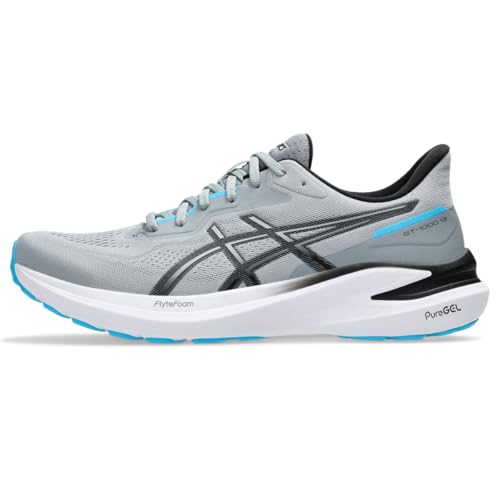
ASICS Men's GT-1000 13 4E Running Shoes, 11, Sheet Rock/Black
- Engineered mesh upper: Improves breathability and wraps the foot with a soft feel
- 3D GUIDANCE SYSTEM: Helps provide adaptive stability
- FLYTEFOAM cushioning: Provides lightweight impact absorption
For runners struggling with overpronation, the ASICS Mens GT-1000 13 Sneaker is an excellent choice thanks to its advanced PureGEL technology and FLYTEFOAM cushioning. These features provide a lightweight feel and guarantee softer landings during your runs. The 3D GUIDANCE SYSTEM enhances stability for balanced strides, while the OrthoLite X-30 footbed improves impact absorption for extra comfort. If you have wide feet, you’ll appreciate the adjustable fit. Users rave about its superior aesthetics and stability, reporting 3-mile walks with ease. At an average price point around $120, these sneakers offer fantastic value for dedicated runners like you.
Best For: Runners struggling with overpronation and those seeking comfort during extended walks.
Pros:
- Excellent cushioning with PureGEL technology and FLYTEFOAM for softer landings.
- Great stability and support from the 3D GUIDANCE SYSTEM, ideal for balanced strides.
- Adjustable fit suitable for wide feet, enhancing comfort for a variety of foot shapes.
Cons:
- Some users may find initial tightness that can take time to adjust.
- Mixed reviews from long-term ASICS users about newer models not meeting previous expectations.
- While stylish, the design may not appeal to those seeking a more minimalist aesthetic.
Factors to Consider When Choosing Running Shoes for Overpronation

When you’re choosing running shoes for overpronation, several key factors come into play. You’ll want to prioritize arch support to keep your feet aligned, while cushioning offers you comfort during every step. Don’t forget to check the fit and sizing—these shoes should feel snug but not too tight, and durability is a must if you’re clocking those miles regularly!
Arch Support Importance
Finding the right running shoes can feel like searching for a needle in a haystack, especially if you overpronate. Arch support is essential; it helps align your foot, preventing excessive inward rolling during your run. Shoes with excellent arch support can ease discomfort or pain from conditions like plantar fasciitis. Additionally, they enhance shock absorption, reducing joint impact during your runs. A well-structured arch improves stability, allowing for a more efficient stride and increasing your endurance over longer distances. The right support limits foot fatigue, meaning you can train longer without discomfort. Look for shoes that specifically state they offer superior arch support, ideally tailored for your unique foot mechanics, and your running experience will greatly improve.
Cushioning for Comfort
Cushioning plays an essential role in your choice of running shoes, especially if you’re dealing with overpronation. Adequate cushioning absorbs shock and reduces joint impact, vital for every stride you take. Look for shoes featuring advanced technologies like GEL or FLYTEFOAM, as they provide a lightweight feel and enhance comfort, ideal for longer runs. If you’re heavier or run significant distances, opt for more cushioning. Remember, overpronators also need reasonable arch support, which works hand-in-hand with cushioning to minimize foot roll. Personalized fitting options, such as adjustable footbeds, can boost comfort and guarantee a secure fit. Choosing the right cushioning isn’t just about plushness; it’s about finding that sweet spot for your feet!
Stability Features Needed
To enhance your running experience while dealing with overpronation, it’s important to prioritize stability features in your shoes. Look for robust midsole technologies that provide arch support, effectively managing foot roll. A firmer foam or additional medial support structures can prevent excessive pronation during your stride, offering crucial assistance. Don’t overlook the heel drop; a higher drop, usually greater than 10mm, can provide additional cushioning for heel strikes. Features like visible rearfoot support systems or dual-density midsoles enhance comfort and promote a neutral gait. Finally, a well-cushioned insole made from advanced impact-absorbing materials reduces strain on your feet and joints, allowing for a smoother run. Remember, comfy shoes don’t just make running easier; they help you avoid walking like a penguin afterward!
Fit and Sizing
When selecting running shoes for overpronation, getting the right fit can make all the difference, especially since properly fitting shoes can prevent discomfort and injury. Aim for shoes that feel snug but not tight, leaving enough room in the toe box for swelling during your runs. Trying on shoes at the end of the day is smart, as your feet are typically at their largest then. Remember, sizes can differ across brands and models, so don’t skip the fitting process. Look for shoes with added arch support, which can enhance stability and comfort. A good rule of thumb is to leave about a thumb’s width of space between your longest toe and the front of the shoe; this helps avoid any nasty surprises!
Durability for Usage
Fit and sizing play a significant role in your overall comfort while running, but durability is just as important, especially for those dealing with overpronation. Look for shoes built to last, ideally offering 300-500 miles of support. Opt for reinforced materials in high-wear areas, like the outsole, to withstand various terrains—whether it’s smooth asphalt or bumpy cobblestone. Durable cushioning technologies are essential, as they maintain their support longer, even after many miles. Consider synthetic upper materials; they resist wear and tear while remaining breathable. Remember to keep up with regular maintenance, such as spot cleaning and storing them in a dry area, to extend your shoes’ lifespan, ensuring they’ll carry you through many runs without breaking down.
Style and Aesthetics
Choosing running shoes for overpronation goes beyond comfort and support; style and aesthetics are equally important. The design and color options can greatly impact your satisfaction, especially if you find yourself wanting multiple pairs. Look for shoes that combine comfort with visually appealing styles, ensuring they can harmonize with your casual attire. Subtle, yet stylish, designs are often preferred—too flashy might not fit every outfit. Reviews highlight attractive color combinations that can elevate how you feel when you run. Remember, personal preferences can affect brand loyalty, so explore brands known for fashionable options. After all, if you love how your shoes look, you might feel more motivated to hit the pavement, and who doesn’t want that confidence boost?
Frequently Asked Questions
How Often Should I Replace My Running Shoes for Overpronation?
You should replace your running shoes for overpronation every 300 to 500 miles, depending on terrain and your weight. If you notice uneven wear or reduced support, it’s time for a change. Keep an eye on those tread patterns; they should look even, not like your shoe’s auditioning for a horror movie. Generally, if your shoes start feeling like bricks instead of clouds, don’t hesitate to shop for a fresh pair!
Can Overpronation Be Corrected With Specific Exercises?
Yes, you can improve overpronation with specific exercises, like strengthening your foot and ankle muscles. Try calf raises, toe taps, and balance exercises on one leg. Aim for three sets of 15 reps each, three times a week. Stretching your calves and Achilles tendon is essential too; hold each stretch for 30 seconds. These simple steps won’t make you a superhero, but they’ll definitely help stabilize your stride and keep you running strong.
What Are the Long-Term Effects of Overpronation on Running?
Overpronation can lead to long-term issues like tendonitis, shin splints, and plantar fasciitis, affecting around 70% of runners. To mitigate these effects, incorporate stability shoes that offer arch support and cushioning. Aim for shoes in the $100-$150 range, which typically provide better durability. Strengthening your feet and legs through simple exercises—think calf raises and resistance band workouts—can also help. Remember, a runner’s best friend is a solid pair of supportive shoes!
Are There Specific Brands Better for Severe Overpronation?
For severe overpronation, brands like Asics, Brooks, and Saucony excel in providing supportive features. Models such as the Asics Gel-Kayano and Brooks Adrenaline GTS offer excellent stability with cushioned soles, helping to prevent injuries. Typically, you’ll find prices ranging from $120 to $160. These shoes often weigh around 10 to 12 ounces, making them light enough for comfort but supportive enough for your runs. Remember, good shoes can make you feel like a running magician!
Do Insoles Help With Overpronation in Running Shoes?
Yes, insoles can definitely help with overpronation in running shoes. They provide additional support and cushioning, improving your stability. Look for insoles designed specifically for overpronation, often having arch support and a built-up heel. Brands like Superfeet and Spenco offer options ranging from $30 to $60. Just make certain they fit well in your shoes—nobody likes a cramped toe box. Trust me, your feet will thank you after a long run!


