As an Amazon Associate, we earn from qualifying purchases. Some links on this site are affiliate links at no extra cost to you. Our recommendations are based on thorough research and editorial judgment.

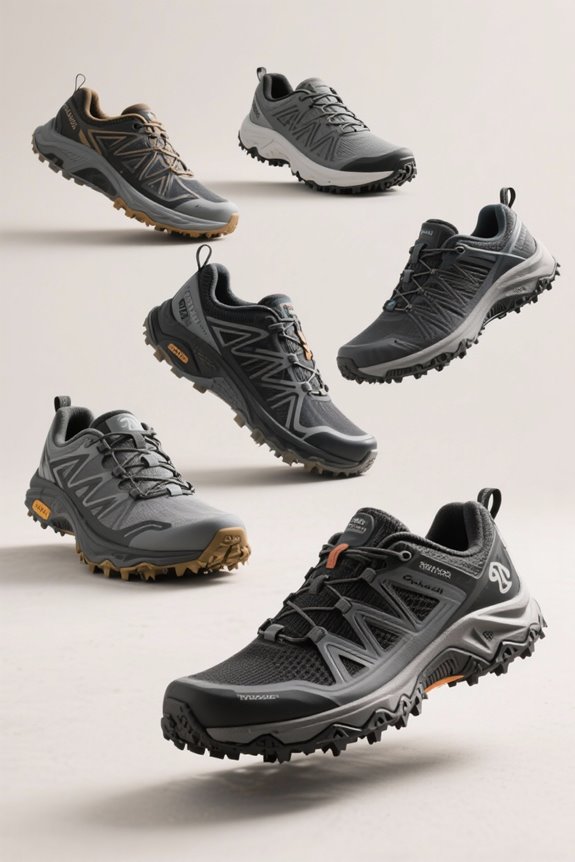
The 5 Best Rock Plate Trail Shoes for Ultimate Adventure and Comfort

For ultimate adventure and comfort, check out the Brooks Men’s Cascadia 18 GTX for waterproof protection, or the lightweight New Balance FuelCell Summit Unknown V4, which often requires sizing up. The Saucony Peregrine 12 offers excellent traction at around $140, while the standard Brooks Cascadia 18 delivers comfort without water resistance. Finally, consider THE NORTH FACE Altamesa 300 for added rock plate safety. Each shoe has features worth considering, so you’ll want to know more about their performance.
Key Takeaways
- The Brooks Men’s Cascadia 18 GTX offers waterproofing and stability, ideal for wet trails but may have durability concerns.
- New Balance Mens FuelCell Summit Unknown V4 provides a lightweight, comfortable fit, though sizing may require a half size increase.
- Saucony Mens Peregrine 12 is lightweight with excellent traction, making it a great value performance shoe around $140.
- The NORTH FACE Mens Altamesa 300 features integrated rock plates for safety while being lightweight, though it comes at a higher price point.
- Look for shoes with deep, widely spaced lugs for superior grip and responsive cushioning for comfort on varied terrains.
Brooks Men’s Cascadia 18 GTX Waterproof Mountain Trail Running Shoe

Brooks Men’s Cascadia 18 GTX Waterproof Mountain Trail Running Shoe - Blackened Pearl/Black/Tomato...
- THIS MEN’S SHOE IS FOR: The Cascadia 18 GTX provides runners and mountain hikers with adaptable stability with trial ready protection with added waterproof protection...
- WATERPROOF PROTECTION: Waterproof GORE-TEX technology in the upper offers a light flexible fit with breathable protection from the elements.
- COMFORT & SECURITY: DNA LOFT v2 provides soft cushioning over any terrain while the TrailTack Green outsole rubber provides enhanced traction on wet and dry surfaces and...
The Brooks Men’s Cascadia 18 GTX Waterproof Mountain Trail Running Shoe is an excellent choice for outdoor enthusiasts who frequently tackle varied terrains under diverse weather conditions. With a fit that’s true to size and a secure grip on slippery surfaces, you’ll feel confident maneuvering through rocks and mud. However, beware of potential tightness if you have wider feet; you might even feel some soreness after longer hikes. While these shoes offer great waterproofing thanks to Gore-Tex technology, durability can be a concern—users reported wear and tear within months. At around $150, they combine style and performance, making them a solid investment.
Best For: Outdoor enthusiasts seeking a waterproof shoe for rugged terrains and diverse weather conditions.
Pros:
- Great fit that runs true to size, providing confidence in foot stability.
- Solid grip on slippery surfaces, ensuring safety during hikes and runs.
- Effective waterproofing from Gore-Tex technology, keeping feet dry in wet conditions.
Cons:
- Potential tightness for individuals with wider feet, leading to discomfort during extended use.
- Durability concerns with reports of wear and tear emerging after just a few months.
- Initial stiffness requiring a break-in period, making them less comfortable for immediate long hikes.
New Balance Mens FuelCell Summit Unknown V4

New Balance Men's FuelCell Summit Unknown V4 Trail Running Shoe, Blacktop/Neon Dragonfly, 9.5 M
- FuelCell midsole foam with approximately 3% bio-based content delivers a propulsive feel to help drive you forward. Bio-based content is made from renewable resources to...
- Synthetic and mesh upper
- Bootie upper construction hugs your foot for a snug, supportive fit
If you’re an avid trail runner seeking a shoe that balances comfort and performance, the New Balance Mens FuelCell Summit Unknown V4 might just be your perfect match. With a sleek bootie-style upper and the FuelCell midsole offering responsive energy return, you’ll feel lightweight and nimble on any terrain. The Hydrohesion outsole gives you exceptional grip, while the Rock Stop Plate protects your feet from jagged rocks and roots. However, consider ordering a half size up, as the initial fit may feel less snug. Overall, it’s a strong contender for long runs, and you might even find yourself wearing them casually.
Best For: Trail runners seeking a lightweight, comfortable shoe with excellent traction and protection for diverse terrain.
Pros:
- Comfortable and lightweight design with an immediate fit and zero break-in period.
- Excellent grip provided by the Hydrohesion outsole, ideal for off-road conditions.
- Adaptive features like the FuelCell midsole and Rock Stop Plate enhance performance during long runs.
Cons:
- Sizing issues, with many users recommending ordering at least a half size up for a better fit.
- Durability concerns regarding the quick wear of center lugs compared to older models.
- Potential discomfort with snugger fits or thicker socks leading to heel chafing during initial runs.
Saucony Mens Peregrine 12 Trail Running Shoe
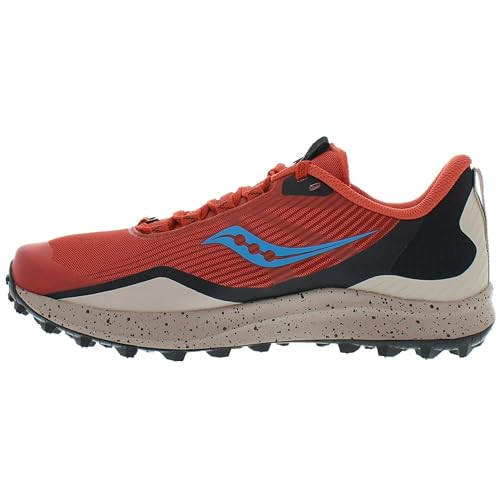
Peregrine 12
- Over an ounce lighter than its predecessor, the Peregrine 12 delivers more speed for an incredibly fun trail outing.
- Ditch debris with a redesigned lug pattern, while PWRTRAC rubber ensures maximum traction and grip. There’s no amount of rugged terrain you can’t tackle.
- A new and improved rock plate sheds moisture and gives you more flexibility for each and every step
Looking for a trail shoe that balances performance and comfort? The Saucony Men’s Peregrine 12 Trail Running Shoe is designed for your adventures, offering a lightweight feel combined with excellent traction. Its versatile fit accommodates various foot sizes, so you’ll feel secure without cramping your style. Users appreciate its durability while exploring slick and rocky terrains, though some suggest opting for wider sizes. With a price around $140, it delivers solid value compared to competitors. Sure, a few have faced minor wear issues, but the overall consensus is clear: this shoe enhances your trail running and hiking experiences, minus the dreaded break-in period.
Best For: Trail runners and hikers seeking a lightweight shoe that offers comfort, traction, and durability without a lengthy break-in period.
Pros:
- Lightweight and comfortable fit with good toe space, suitable for long wear.
- Excellent traction on various terrains including slick, muddy, and rocky surfaces.
- Affordable price point for high quality and performance compared to competitors.
Cons:
- Some users may need to size up for a wider fit as the design is narrower than previous models.
- Reports of earlier wear and durability concerns compared to previous iterations.
- Minor hotspots experienced by some users before the shoe adapts to their feet.
Brooks Men’s Cascadia 18 Mountain Trail Running Shoe

Brooks Men’s Cascadia 18 Mountain Trail Running Shoe - Citadel/Ebony/Lime - 9 Medium
- THIS MEN’S SHOE IS FOR: The Cascadia 18 provides runners and mountain hikers with adaptable stability with trial ready protection. Carbon Neutral Certified product...
- COMFORT & SECURITY: DNA LOFT v2 provides soft cushioning over any terrain while the TrailTack Green outsole rubber provides enhanced traction on wet and dry surfaces and...
- ADAPTABLE STABILITY: The Trail Adapt System utilizes an integrated midsole, with articulated ballistic rock shield to protect the foot without limiting flexibility. The...
Searching for a dependable trail running shoe? The Brooks Men’s Cascadia 18 could be your perfect match. Known for its ultra-comfortable fit, you’ll find it great for all-day use, making long runs more enjoyable. Constructed to resist abrasions, the durable materials guarantee you won’t see any wear or rips, especially on the toes. Plus, if you’re running in wet conditions, consider the Cascadia GTX version for added water resistance. With excellent traction on various terrains, you can confidently tackle challenging trails. Just remember, adding a liner in the upper toe area can enhance comfort even further. Adventure awaits!
Best For: Runners seeking a durable and comfortable trail shoe for all-day wear in various terrains.
Pros:
- Ultra-comfortable fit, perfect for long runs and extended use.
- Highly durable construction that resists abrasions and wear, particularly on key stress areas.
- Excellent traction on diverse terrains, enhancing stability and confidence on challenging trails.
Cons:
- The standard version may lack water resistance compared to the Cascadia GTX version.
- Suggestion for improvement includes the need for a liner in the upper toe area for enhanced comfort.
- May be too specialized for casual runners not focusing on trail performance.
THE NORTH FACE Mens Altamesa 300 Trail Running Shoe
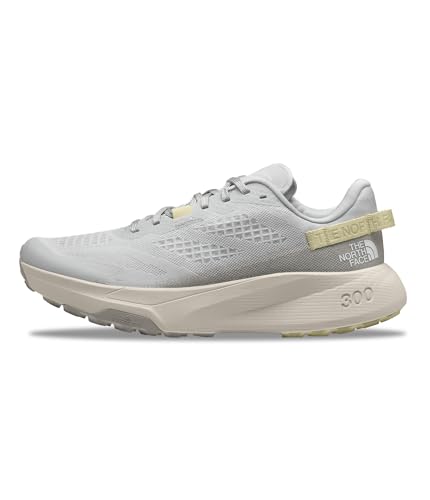
The North Face Men's Altamesa 300 Trail Running Shoe | Lightweight, High Rebound Midsole, Roomy Toe...
- EVERYDAY RUNNER: Light, stable & comfortable, the Men's Altamesa 300 is a trail-running shoe for enthusiasts of all levels. With plush cushioning, a SKYCORE rock guard...
- RESPONSIVE COMFORT: These athletic shoes boast a lightweight and durable high-rebound midsole with a 6 mm offset and 25 mm of heel cushioning, delivering a snappy yet...
- LOCKED-IN PERFORMANCE: Internal stability wings at the third eyelet deliver secure midfoot lockdown and keep the tongue from shifting around, while a soft padded collar...
The North Face Mens Altamesa 300 Trail Running Shoe stands out as a top choice for runners traversing technical terrain, thanks to its integrated rock plates that protect your feet from sharp objects and uneven ground. Weighing in at a lightweight design, this shoe features a high rebound midsole and a roomy toe box for comfort during long runs. The breathable uppers reduce fatigue while maintaining excellent grip with the Surface Control rubber outsoles. Ideal for asphalt and dirt paths alike, it’s a versatile option. Priced competitively around $130, it’s perfect for athletes seeking quality and performance in their footing.
Best For: Athletes seeking a lightweight and comfortable trail running shoe for navigating technical terrains and varied surfaces.
Pros:
- Cushioning: Responsive DREAM foam provides plush yet powerful cushioning for extended comfort on long runs.
- Durability: Constructed with high-quality materials, ensuring lasting performance and satisfaction for multiple uses.
- Versatility: Hybrid-ready soles allow for seamless transitions between different terrains, making it suitable for both asphalt and dirt paths.
Cons:
- Price Point: At around $130, it may be considered expensive compared to some other trail running options.
- Roomy Toe Box: While some may appreciate the extra space, others may find it too spacious for their foot type.
- Limited Color Options: May have fewer color variations available, which could limit personal style preferences.
Factors to Consider When Choosing Rock Plate Trail Shoes

When choosing rock plate trail shoes, you need to take into account several key factors. Think about the terrain you’ll tackle, the shoe’s weight for agility, and how much cushioning and support you prefer. Don’t forget to check the fit and sizing, as well as durability, to guarantee your shoes stand the test of time and those rocky trails ahead.
Terrain Type Consideration
Maneuvering rocky trails demands a keen understanding of your terrain, especially when choosing trail shoes with rock plates. For rocky or uneven surfaces, opt for shoes with stiffer rock plates that offer better protection without compromising your foot’s safety. Keep in mind that while these stiff plates enhance stability, they might feel less flexible during longer runs. Look for shoes with tread patterns that provide solid grip on varied surfaces like mud and gravel, as balanced traction is key. A snug fit with plenty of toe space guarantees your foot stays secure and comfortable on rugged paths. So, assess your terrain, and you’ll make a smart choice for your next adventure—just remember to tie your laces tightly!
Weight and Agility
Choosing the right trail shoes means considering not just the terrain but also their weight and agility. Lightweight trail shoes, ideally between 8 to 12 ounces, enhance your agility and responsiveness, helping you navigate uneven trails swiftly. With lighter materials, these shoes maintain protective features like rock plates while reducing overall weight. The benefit? You’ll experience faster foot turnover and a more natural foot placement, making those uphill climbs and tricky descents feel a bit easier. Plus, less weight means improved energy efficiency during longer runs, which is vital when you’re pushing through tough terrains. So, if you’re after speed and quick movements without sacrificing protection, opt for shoes that prioritize weight without skimping on essential features. Your feet will thank you!
Cushioning and Support
While you might be tempted to focus solely on weight and traction when selecting rock plate trail shoes, cushioning and support play a crucial role in your overall running experience. A good trail shoe balances plush cushioning for shock absorption with firm support to maintain stability on uneven surfaces. Look for midsoles that enhance energy return, reducing joint impact during descents—your legs will thank you later. Innovative foam technologies offer responsive cushioning that adapts to your footstrike, making every step feel a bit lighter. Additionally, cradle-like support systems help keep your foot aligned and improve stride efficiency. Ultimately, the right shoe should feel like a comfortable partner on the trail—just don’t expect it to carry your snack pack!
Fit and Sizing
Finding the right fit in rock plate trail shoes is essential for a comfortable and efficient run. A snug fit can prevent blisters and enhance your performance, but some models run true to size while others might require you to size up. Pay attention; shoes that feel roomy may lead to heel chafing, especially with thicker socks. Many designs cater to narrow or wide feet, so consider your foot shape. Verify there’s adequate toe space, too, as this can help on uneven terrain. Remember, many shoes require a break-in period, so don’t panic if they feel a bit off at first. With adjustments over time, you’ll find the perfect fit for your next adventure.
Durability and Longevity
When it comes to rock plate trail shoes, durability and longevity are essential factors that can considerably impact your running experience. You’ll want shoes crafted from high-quality rubbers and reinforced materials, as these withstand abrasions better. A strong rock plate protects your shoes from sharp objects and rough surfaces, enhancing their lifespan. Keep in mind that softer outsoles provide better traction but may wear down faster than harder compounds; it’s all about finding that balance. Regular cleaning helps prevent unwanted degradation from mud and moisture. Finally, don’t forget to check user feedback on different models; some shoes hold up for years, while others might show signs of wear after just a few months. Choose wisely!
Traction Performance
After considering durability and longevity, it’s time to focus on the traction performance of rock plate trail shoes. Stability and safety on various terrains are essential, especially when facing mud, rocks, or slippery surfaces. Look for shoes with deep, widely spaced lugs; they typically provide superior grip in loose conditions. A rock plate helps enhance traction while protecting your feet from sharp rocks, which is always a bonus during steep descents. Make sure to choose shoes with flexible zones that adapt as you navigate changes in elevation. Finally, keep in mind that environmental factors like wetness can impact grip, so opt for shoes designed for your expected conditions to avoid unwelcome surprises—as no one enjoys an unplanned cha-cha on a muddy trail!
Weather Resistance Features
Given the unpredictable nature of outdoor activities, you’ll want to pay special attention to the weather resistance features of rock plate trail shoes. Look for options with waterproof materials like Gore-Tex, which keep your feet dry while allowing them to breathe. Many models come with water-resistant coatings that repel moisture, enhancing comfort during wet conditions. Additionally, toe caps and protective rubber components shield your feet from debris and resist water in vulnerable areas. Breathable upper materials, coupled with waterproof liners, provide ventilation and safeguard against various weather challenges. Don’t forget to check the traction offered by specialized outsoles, as they’ll give you secure footing on slippery surfaces, helping you conquer any adventure without slipping into an unexpected puddle!
Frequently Asked Questions
Are Rock Plate Trail Shoes Suitable for Road Running Too?
Rock plate trail shoes definitely can be used for road running, but they might not be the best choice. Their rugged designs and stiff soles often lead to less comfort on pavement, which could feel like running in ski boots. If you’re hitting the road occasionally, look for a pair with a softer cushioning and more flexibility. Investing around $100-$150 could give you a versatile option for both trails and roads without breaking the bank.
How Do I Clean My Trail Shoes Effectively?
To clean your trail shoes effectively, start by removing any laces and insoles. Rinse off mud and dirt with a hose, then scrub using a soft brush with mild soap. Make sure to get into the grooves for a thorough clean. Avoid putting them in the washer, as it can damage the materials. After cleaning, let them dry naturally in a well-ventilated area, preferably avoiding direct sunlight. Trust me, your shoes will appreciate it!
Can I Wear Trail Shoes in Snowy Conditions?
Yes, you can wear trail shoes in snowy conditions, but choose wisely. Look for shoes with good traction; outsoles featuring deeper lugs provide grip on slippery surfaces. Waterproof materials keep your feet dry, and insulation helps in chilly weather. However, consider also wearing gaiters to prevent snow from entering the shoes. If you’re venturing into deep snow, you might want to invest in dedicated winter footwear, since trail shoes won’t fully protect against cold or slush.
What Is the Lifespan of Rock Plate Trail Shoes?
The lifespan of rock plate trail shoes typically ranges from 300 to 500 miles, depending on your running style and terrain. If you’re blazing through rugged paths daily, expect them to wear out faster. Keep an eye on the soles; if tread wears flat or cracks appear, it’s time for a new pair. Investing around $100 to $200 for a high-quality pair often pays off, especially when your comfort and safety are at stake.
How Do I Know My Correct Shoe Size for Trail Shoes?
To find your correct shoe size for trail shoes, start by measuring your feet in the afternoon when they’re at their largest. Use a ruler to measure from heel to toe, then compare this measurement to the brand’s size chart. Remember, different brands can vary in sizing, so always try them on if possible. A snug fit is essential for support, but you don’t want to squeeze your toes like they’re in a tiny elevator!


